
News
Deezer’s Free AI Music Detector Scans Any Streaming Playlist
Deezer launched a free AI music detector on June 11, 2026, letting listeners on 20 streaming services scan for AI tracks. 43% of switchers find AI music.

Deezer released a free AI music detector on Thursday that lets listeners on Spotify, Apple Music, YouTube Music, and roughly 17 other services scan their own playlists for synthetic tracks. The tool arrives after more than a year of Deezer building and licensing its detection tech with no major rival taking it up.
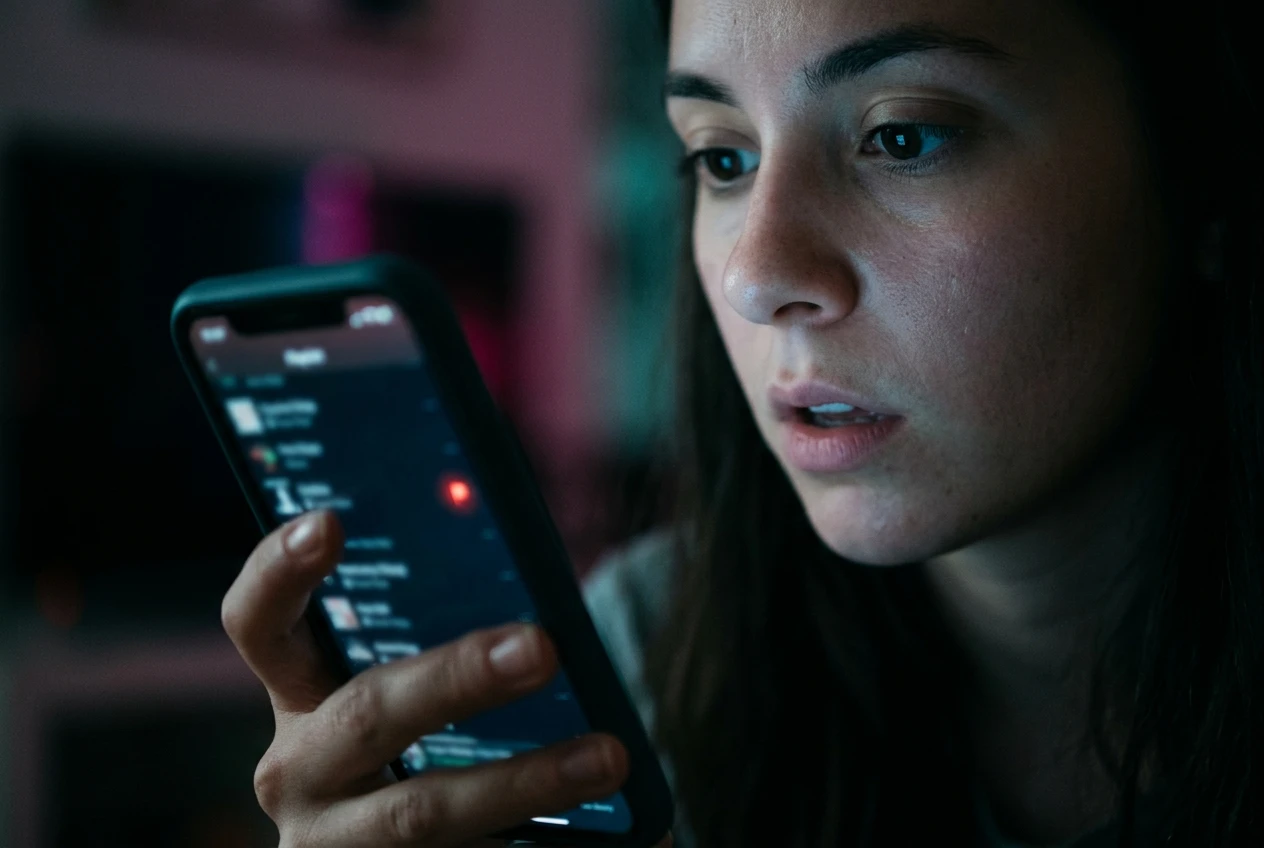
The Paris-based streamer says 43% of users switching to Deezer from a rival service already have AI-generated songs in their playlists, a number the company wants every listener to be able to check on their own. The detector, hosted on a dedicated page at deezer.com, runs in 27 languages and can analyze up to 100 playlists per user.
How the Detector Works
The detector is a web app, not a feature inside Deezer’s own streaming product. Users land on a dedicated site, pick their current music service, and grant Deezer permission to read their playlists. Behind the scenes, the company uses Tune My Music, the same import partner it already leans on for new sign-ups switching from Spotify, to pull the library across.
Deezer’s scanner then applies its detection models to the imported tracks and shows the user a list of any songs flagged as fully AI-generated, with an option to share the results. The flow is built to be run by anyone, not just subscribers, which is the point: Deezer wants the tool to reach people who would never open its app in the first place.
Steps to run a scan
- Go to deezer.com’s AI music detector page.
- Choose your streaming service and connect the account.
- Let Deezer scan your playlists.
- View and share the results.
The 43% Finding
That 43% number is the headline. It comes from Deezer’s own data on users migrating from competing services, and the company has been quoting it in the weeks leading up to the launch.
CEO Alexis Lanternier said in a statement that “A vast majority of people want to know if AI music is being recommended to them and our data show that nearly half of the users joining Deezer from another platform have AI tracks in their playlists.” The phrasing frames the detector as a consumer demand problem first, a tech rollout second.
The figure also gives Deezer a statistic to throw at the rest of the industry. It shifts the conversation away from “Deezer is the only one doing this” toward “the average listener is sitting on a pile of AI tracks they did not know about,” a reframe that lands harder with advertisers, rightsholders, and rival services all at once.
Why Deezer Built It
Deezer has been detecting AI music since the start of 2025, and it became the first major streamer to publicly tag fully AI-generated tracks in June of that year.
The company then spent the months since trying to license that technology to other services and to rightsholders, signing its first deal with French collecting society Sacem in January 2026, then expanding to Hungary’s performers’ rights body EJI in March 2026. The Business unit launched in March to package the technology for distributors, collecting societies, and DSPs.
That licensing track moved slowly. Apple and Spotify, the two services that would change the most user behavior, declined to adopt Deezer’s tool. So Deezer opened the same detection system to every listener on every platform, in a free web app, rather than wait for the industry’s biggest players to come around. The press release, published on Deezer’s newsroom on June 11, 2026, describes the move as the company “making it possible for everyone to check if their playlists include synthetic music.”
By detecting and tagging AI generated music over the past year and a half, Deezer has been at the forefront of transparency in music streaming. No other company has followed our lead yet, so we decided to make it possible for everyone to check if their playlists include synthetic music, no matter which streaming platform they use.
Lanternier also said the company is expecting the consumer tool to be an “eye-opening experience” for listeners, language that doubles as a sales pitch to anyone thinking of switching services.
What Rivals Are Doing
Apple Music, Spotify, and Qobuz have each taken their own route to AI transparency, and none of them is mandatory at the platform level.
Apple Music launched label-declared Transparency Tags in March 2026, asking distributors to mark AI-generated tracks when they upload them. Spotify announced support for the DDEX industry standard for AI disclosures in September 2025, and in April 2026 added a beta feature letting labels and distributors submit AI-use credits that surface in Song Credits on mobile. Qobuz, the French high-resolution service, has built its own AI detection system and is rolling out tagging across its apps, which puts it in the same camp as Deezer on detection, while Apple and Spotify sit closer to a self-declaration model that critics say gives labels and distributors an easy way to opt out.
The contrast is the reason Deezer opened the consumer tool now. With no major platform taking up the licensing offer, the only way to put detection in front of listeners was to go direct.
How the major streamers handle AI music disclosure
| Service | Detection or disclosure method | Source of truth |
|---|---|---|
| Deezer | Automated platform-level detection, tags fully AI tracks | Platform |
| Apple Music | Label-declared Transparency Tags | Labels and distributors |
| Spotify | DDEX industry standard AI credits via distributors | Labels and distributors |
| Qobuz | Proprietary detection system, tags AI tracks | Platform |
The Flood Behind the Tool
The detector exists because the inflow is now overwhelming. Deezer said on Thursday that it is receiving nearly 75,000 fully AI-generated tracks every day, a number that represents more than 44% of the total music delivered to the platform. That is up from the 60,000 daily AI tracks and 39% share the company reported in January 2026, and a long way from the 10,000 daily AI tracks that first triggered the detection project at the start of 2025.
Most of the AI tracks on Deezer do not get listened to. The company says fully AI-generated music accounts for only between 1% and 3% of all streams on its service, but up to 85% of those streams were fraudulent in 2025, depending on the month. For comparison, fraud across Deezer’s full catalog ran at 8% of streams in 2025.
Deezer demonetizes every fraudulent stream it finds. Fully AI-generated tracks are also pulled from algorithmic recommendations and editorial playlists on the platform, a policy the company set when it first rolled out its tagging in June 2025 and that still holds with the new consumer tool.
Over the full year of 2025, Deezer detected and tagged more than 13.4 million AI tracks. The chart at Billboard now relies on the same tool, with the company noting that the platform uses its data to determine which tracks in its charts are AI-generated.
The scale of AI music on Deezer
- 75,000 AI tracks delivered to Deezer daily, 44% of intake
- 13.4 million AI tracks detected and tagged on Deezer in 2025
- 1% to 3% of streams on Deezer come from AI tracks
- Up to 85% of those AI streams were fraudulent in 2025
- 8% of streams across Deezer’s full catalog were fraudulent in 2025
The Detection Engine
The engine underneath the consumer scanner is the same one Deezer has been running internally since 2025, and the same one it is now licensing through its Deezer for Business arm. The models were built to flag fully AI-generated music from the most widely used generators, with Suno and Udio as the named targets, and the system can be extended to any new generator given enough training examples. Deezer says the models have a false positive rate below 0.01% and identify fully AI-generated tracks at 99.8% accuracy.
The system is also designed to keep working as new generators appear. Deezer has invested in what it calls “increased generalizability,” a way of saying the model can spot synthetic audio without needing a bespoke training set for every new tool, an advantage it pitches to rightsholders and platforms that do not want to retrain a detector every quarter. The Business unit, marketed on Deezer’s enterprise AI detection page, lists distributors, rightsholders, collecting societies, and DSPs as the customer base.
Deezer filed two patents for the detection technology in December 2024, the same period in which the company also became the first and only streaming platform to sign the global statement on AI training.
The Business Logic
There is a clear strategy underneath the free tool. The detector runs on a site that already invites users to transfer their library to Deezer for free, so every scan is a soft pitch to switch. Lanternier’s 43% figure is doing two jobs at once, making the case that listeners should care about AI pollution and that Deezer is the service that cares first. The wider music industry is watching the AI question closely too, with the world’s largest rightsholder rejecting a $64 billion takeover bid weeks earlier as it weighed its own AI strategy.
Deezer is also building toward a paid B2B market, with Sacem and EJI as named licensees, and a CISAC study projecting up to €4 billion in creator revenue at risk from AI by 2028 as the macro pitch. A free consumer tool that proves the detection works at scale makes the licensing conversation easier, and it puts public pressure on the services that have not signed up.
Frequently Asked Questions
What is Deezer’s AI music detector?
Deezer’s AI music detector is a free web tool the company launched on June 11, 2026, that scans a listener’s playlists on 20 of the most common streaming services, including Spotify, Apple Music, and YouTube Music, and flags tracks it identifies as fully AI-generated.
How accurate is Deezer’s AI music detector?
Deezer says the detector identifies fully AI-generated music with 99.8% accuracy and runs with a false positive rate below 0.01%, based on testing inside its own platform where it processes more than 150,000 deliveries a day.
Why did Deezer release a free AI music detector?
Deezer spent more than a year trying to license its detection technology to other streaming services and rightsholders, with no major platform taking it up, so the company decided to make the tool available to listeners directly through a free web app.
Do Apple Music and Spotify detect AI music?
Apple Music and Spotify both rely on voluntary, label-declared tagging rather than automated platform-level detection. Apple Music launched Transparency Tags in March 2026, and Spotify supports the DDEX AI credit standard, with a beta feature that went live in April 2026.
How much AI music is being uploaded to streaming platforms?
Deezer said on June 11, 2026, that it now receives nearly 75,000 fully AI-generated tracks every day, equal to more than 44% of all music delivered to its platform, with up to 85% of streams on those AI tracks linked to fraud in 2025.






A Stalled Volkswagen EV Triggered a Deadly Loop 202 Pileup

ChatGPT, Gemini and Claude Traded Praise as Billions Ride on It

New Jersey Bans Surveillance Pricing After a Union Push

SpaceX Stock Sits Just $15 From a Zero Value AI Verdict

ChatGPT Health Data Skips HIPAA as Telehealth Stocks Slide

Apple Wagers Years of Delay on Smart Glasses Privacy

FDA Recall Pulls Nearly 19 Million Eggs Over Salmonella

Ubisoft’s New Far Cry Game Rides on Tencent’s Billions

PlayStation Blackout Protest Could Hit the Wrong Targets

Taylor Farms Gave Trump Allies $2 Million Before Its Recall Call

Pokémon GO Developer Niantic Rebrands as Scopely Explore

Persona 4 Revival Hands All Anime Cutscenes to Studio MAPPA

Jaylen Brown Traded to 76ers for Paul George and Four Draft Picks

Doom Studio id Software Cuts Half Its Staff in Xbox Layoffs

Nintendo Switch Online Adds Four Classics and One Japan-Only Title

Jordan Henderson Hospitalized After Wrist Injury at the Azteca

Mexico’s World Cup Run Ends at Azteca as England Hold On 3-2

Meta’s Muse Image Lets Anyone Use Your Instagram Photos in AI

Louis Vuitton Beats Molly Tea in China, Triggers Cultural Backlash

Pink Bearista Cup Returns July 13 as Starbucks Pink Vibes Drops
-

 TECHNOLOGY3 years ago
How to Adjust a Bulova Watch Band – An Easy Guide
-

 News3 years ago
Fred Pentland: Athletic Bilbao’s English mentor who changed the essence of Spanish football
-

 FINANCE3 years ago
Tax Planning for Every Season: Guide to Maximizing Your Tax Benefits
-

 Education3 years ago
African Ministers New Education Plan
-

 BUSINESS3 years ago
What is Entrepreneurial Operating System? A Comprehensive Guide to EOS
-

 Education3 years ago
Innovate Your Learning Journey with Technology and Enhance Education
-

 News3 years ago
Russians formally out of World Athletics Championships
-

 BUSINESS3 years ago
Top 9 Most Expensive American Cities to Rent an Apartment