
News
Summer Climbing Rush Spurs Rescue Warnings in Colorado’s Rugged Trails

As summer heats up in Western Colorado, the call of the cliffs, trails, and canyons gets louder. But with that comes a serious uptick in search and rescue calls—sometimes three in a single day. For those heading out, safety isn’t optional. It’s the whole game.
Some of the region’s most picturesque spots—Unaweep Canyon, Mount Garfield, and the Colorado National Monument—can also be some of the riskiest. Volunteers and guides alike say the biggest dangers aren’t bears or avalanches, but simple, preventable mistakes: too little water, not enough planning, and plain old bad timing.
“We Can Go Weeks Without a Call—Then Three in a Day”
Lizzy Depew has been volunteering with Mesa County Search and Rescue for three years. She’s seen it all—from dehydrated hikers stuck on baking rock ledges to lost tourists who forgot to tell anyone where they were going.
“Sometimes we’ll go weeks without a single call. Other times we’ll have three in a day,” she said, a little wearily.
It’s not just remote spots either. Even popular trails can turn treacherous, especially under the searing Colorado sun.
“One of the most common issues is overheating,” Depew explained. “People underestimate how fast things can go wrong when they’re tired, hungry, and out of water.”
In short: the heat doesn’t care if you meant to be out for only an hour.
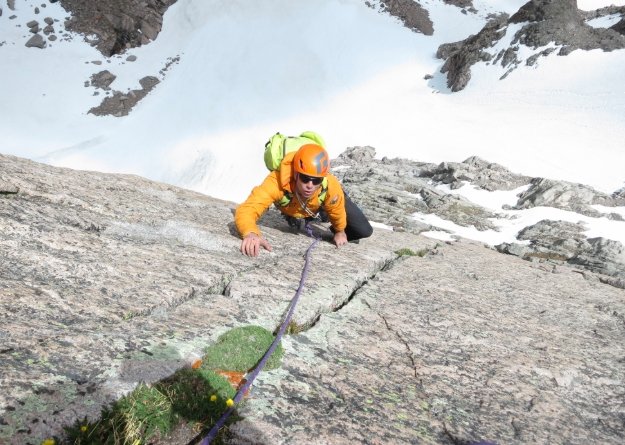
The Rookie Errors That Can Cost You Big
Most of the trouble starts before hikers even lace up their boots. That’s the frustrating part, Depew says. The mistakes are basic, obvious even. But they keep happening.
Here are the biggest ones, according to search and rescue teams:
-
Not checking the weather early enough (days ahead is best)
-
Forgetting to tell someone your route and return time
-
Bringing too little food and water
-
Overestimating your fitness or experience
-
Not carrying basic gear (yes, even if it’s “just a short hike”)
“People don’t realize how much of a difference a single rain jacket can make,” said Micah Lewkowitz, a guide with Skyward Mountaineering. “If you’re above the tree line and it starts to pour, getting wet isn’t just uncomfortable. It’s dangerous.”
Guides Walk a Tightrope Between Thrill and Caution
Lewkowitz knows mountains. His company, Skyward Mountaineering, leads trips from Colorado to Alaska and even Peru. But whether it’s local granite or high-altitude ice, the mantra stays the same: don’t let the thrill overpower common sense.
“We tend to operate with a very high margin of conservative decision-making,” he said.
That means trip planning doesn’t start the night before—it can begin days, sometimes weeks ahead. Gear checks, fitness assessments, weather tracking—it’s all part of the routine. Because once you’re at the summit, it’s too late to discover someone can’t make it down.
“It’s making sure that the goal lines up with somebody’s ability and experience,” Lewkowitz said. “Otherwise, you’re setting yourself up for trouble.”
One short sentence sums it up: it’s not just about getting to the top.
Colorado’s Summer Heat: Unforgiving and Fast-Acting
Even seasoned climbers can underestimate how quickly dehydration and heat exhaustion sneak up.
Depew says it’s not unusual to find people too dizzy or disoriented to get back to their vehicles, even if they’re only a mile out. That’s the kind of call she dreads—because it was avoidable.
One-liner worth noting: The sun here doesn’t care if you’ve hiked that trail a dozen times.
Western Colorado’s climate can be brutal in July and August. High elevation means stronger UV exposure. Combine that with dry air, and your body’s moisture can vanish fast. Lewkowitz warns that being “a little thirsty” one minute can turn into full-blown heat stroke soon after.
Planning is Half the Battle—Actually, Maybe More
Both Lewkowitz and Depew hammer home one thing above all: the most important safety work happens before your boots hit the dirt.
And that includes gear. Lewkowitz doesn’t head out without a few staples in his bag, even on quick climbs. He swears by over-preparing.
Here’s what both experts say you should always bring, even on a moderate hike:
| Essential Gear | Why It Matters |
|---|---|
| Rain Jacket | Sudden downpours, especially above treeline |
| Extra Water | Dehydration risk spikes in dry heat |
| Food/Snacks | Keeps energy up; helps with decision-making |
| Map & Compass | Phones die, signals drop |
| Headlamp | Because sunset always sneaks up on you |
| First Aid Kit | Even small injuries can spiral in remote areas |
“Don’t trust that it’ll ‘probably be fine,’” Depew said. “Plan like something will go wrong, and then be glad when it doesn’t.”
One Simple Rule: Tell Someone Where You’re Going
Of all the advice given, one piece comes up again and again. It’s easy. It’s free. And it saves lives.
“Make sure you tell someone where you’re going, what time you expect to be back, and then when you’d want them to call 911 if you don’t show back up,” Depew stressed.
Because when people don’t know where you are—or when you’re due back—it makes rescue nearly impossible. Search crews lose precious hours, even days, just trying to guess where someone might be.
It’s the kind of thing that takes two minutes and can change everything.












FAA Restores Boeing’s Power to Self-Certify 737 Max and 787 Jets

Taylor Farms Lettuce Recall Exposes a Pattern of Repeat Outbreaks

SpaceX Delays Starship Flight 13 to July 20 After Raptor Failures

Portland’s $573 Million Arena Offer to the Blazers Has No Budget

Smoke, Record Prices and Trump Test FIFA’s New York Gamble

Mortgage Rates Climb to 6.55%, the Highest Level in Nearly a Year

EU Orders Google to Open Gemini’s Android Access to ChatGPT, Claude

Caviar Bets $13,130 on a Galaxy Fold Samsung Hasn’t Confirmed

TSMC Pledges $100 Billion More for US Chips as Its Shares Slide

Google Vids Lets You Clone Your Face and Voice Into AI Videos

Halo Studios Reverses PS Plus for Halo: Campaign Evolved on PS5

Black Ops 1 and 2 PS5 Ports: $40 Price Tag Has Fans Uneasy

Matt Brown Dismisses Rousey and Paul’s MVP MMA Ratings Win Over UFC

Star Wars: Galactic Racer Is a Roguelite Racer With a Podracing Skin

Julius Randle Traded to Nets as Wolves Reclaim Cap Space for Dosunmu

Sega’s $49.99 Sonic Classic and Modern Bundles Hit Switch in October

Colombia Edge DR Congo as Muñoz Books World Cup Knockout Place

Douze Dixièmes Closes Five Months After MIO: Memories in Orbit

Warriors Take Yaxel Lendeborg, the Oldest Pick in the 2026 NBA Draft

Warhammer Horus Heresy Super-Heavy Tanks Share a Plastic Chassis
-

 TECHNOLOGY3 years ago
How to Adjust a Bulova Watch Band – An Easy Guide
-

 News3 years ago
Fred Pentland: Athletic Bilbao’s English mentor who changed the essence of Spanish football
-

 FINANCE3 years ago
Tax Planning for Every Season: Guide to Maximizing Your Tax Benefits
-

 Education3 years ago
African Ministers New Education Plan
-

 BUSINESS3 years ago
What is Entrepreneurial Operating System? A Comprehensive Guide to EOS
-

 Education3 years ago
Innovate Your Learning Journey with Technology and Enhance Education
-

 News3 years ago
Russians formally out of World Athletics Championships
-

 BUSINESS3 years ago
Top 9 Most Expensive American Cities to Rent an Apartment