
News
Grand Junction Firefighters Warn: Backyard Grilling Fires Are Avoidable

A cookout can go from fun to frantic in a flash—and Grand Junction’s fire crews are reminding residents that a grill, for all its charm, is still an open flame. Every year, a few backyard fires break out because someone didn’t take the right precautions. It’s not a lot, but it’s enough.
This summer, the Grand Junction Fire Department (GJFD) is urging people to take grilling safety seriously—because the most common mistakes are also the most preventable.
A Few Fires a Year Is Still Too Many
Dirk Clingman, the department’s Public Information Officer, says they see it happen more often than people think. A grill too close to a fence. Still-hot coals dumped into a trash can. Grease buildup lighting up like a bonfire. It’s all pretty routine—and also avoidable.
“Most of the grill fires we respond to each year are due to improper use,” Clingman said. “It’s either a flammable surface that’s too close, or someone didn’t let their charcoal cool before throwing it out.”
The fires might not make headlines, but they make a mess of patios and sometimes damage homes.
And honestly, who wants to explain to their neighbor why half the fence is gone?
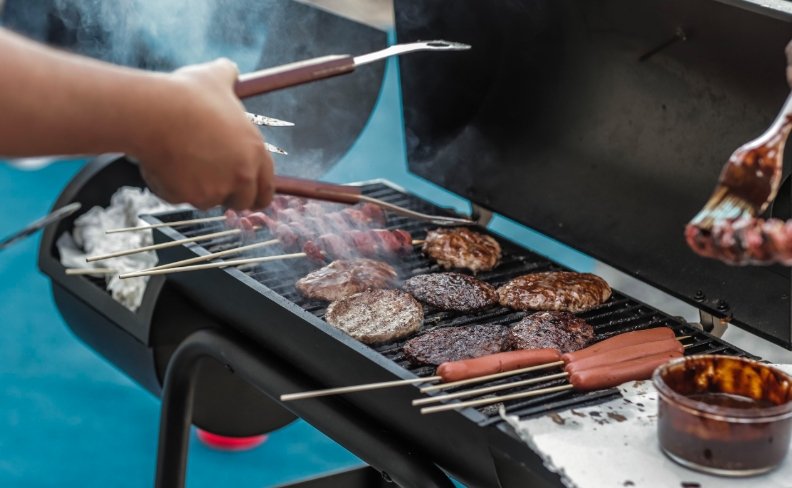
Grease, Gas and Bad Ideas
Gas grills may seem safer than charcoal, but they’re not fireproof. In fact, they come with their own set of risks. Grease fires are a big one. So are leaking propane connections.
Clingman explained the basics in plain terms: “With propane grills, it’s about checking that the connections aren’t leaking. And always clean up grease or fat buildup. That stuff can catch and spread real fast.”
For charcoal users, the rule is simpler: stick to proper lighter fluid. No gasoline. Ever.
It sounds like common sense, but fire crews say you’d be surprised how often shortcuts lead to trouble.
One-sentence reminder: Gasoline and grills don’t mix.
So, What Should You Actually Do?
Firefighters don’t just wag fingers—they offer real, workable advice that makes grilling safer without sucking the joy out of it.
If you’re lighting up this weekend, here are the tips GJFD wants you to remember:
-
Keep the grill at least 10 feet from any flammable surface (think fences, siding, awnings, patio furniture).
-
Always have a fire extinguisher or water source nearby—just in case.
-
Never leave the grill unattended. Even for “just a sec.”
-
Don’t grill indoors or in garages, even with open doors.
-
Check weather conditions—especially wind. It can carry embers where they don’t belong.
These might sound like small things, but they matter. A sudden gust of wind can flip a burger—and blow a spark onto dry grass or patio cushions.
“We’re Not Trying to Ruin the Barbecue”
Clingman knows the department’s advice can come off as overly cautious, but he insists the goal isn’t to make people nervous. It’s to keep them grilling safely, all season long.
“This isn’t about scaring people away from grilling,” he said. “It’s about being smart. Because we’d rather see you flip burgers than have to douse your porch.”
Still, he added, some fires have caused injuries and property damage over the years. It’s not just burnt hot dogs they’re trying to prevent.
One-liner worth repeating: You can enjoy the sizzle without starting a scene.
Firefighters See the Aftermath—You Don’t Want To
The GJFD doesn’t release detailed numbers every year, but Clingman confirmed they’ve handled multiple grill-related fires in the last few summers. The numbers might sound low, but behind each one is a real person with real regrets.
Sometimes it’s a burnt-down fence. Other times it’s melted siding, scorched patios, or worst of all—injuries. And it all started with something like a forgotten match, a faulty valve, or a kid left alone near the grill for “just a minute.”
“You don’t think it’ll happen to you until it does,” Clingman said.
Even experienced grillers have had close calls.
The Basics That Are Easy to Miss
Grilling might feel like second nature to some, but even seasoned backyard chefs can miss a step or get complacent.
And that’s when stuff goes sideways.
Here’s a quick breakdown of common mistakes firefighters say they see:
| Common Mistake | Why It’s Risky |
|---|---|
| Grill too close to house or fence | Flames can catch nearby surfaces |
| Using gasoline or improper starters | Explosive ignition risk |
| Leaving grill unattended | Fire can spread quickly without supervision |
| Not cleaning grease | Grease fires are fast and intense |
| Disposing hot coals too soon | Trash fires, yard fires |
Nobody’s trying to make grilling complicated. But ignoring the simple stuff can—and does—lead to trouble.
Final Thought: Check Twice, Light Once
The vibe GJFD is going for isn’t “stop having fun.” It’s more like, “Have fun—and don’t torch the deck.”
As Clingman put it, a few quick checks could be the difference between a good meal and a really bad day.
“It’s not about perfection,” he said. “It’s about attention.”
That means inspecting propane lines, double-checking charcoal disposal, and making sure someone always keeps an eye on the flames.
Because summer is long—and it’s a lot more enjoyable when the fire stays in the grill.







Spotify Running Mode hits Android and revives its old tempo experiment

Galaxy Tab S12 Ultra Renders Keep the Notch Fans Hate

Novato Spinning Round House Sells With Six Neighbors for $3.3 Million

Crop Tour Finds Indiana and Nebraska Corn Yields Lagging 2025

Best Buy 60th sale brings Android deals back to its roots

American Airlines reverses seatback screen bet years too late

Iran Hormuz Strikes Force Gulf Oil Onto Costlier Paths

Plague Tale Prequel Day One Joins Game Pass Wave 2 as Witcher Exits

NBA 2K27 opens The City to everyone and rewrites career eras

iOS 26.6.1 Patches 29 Flaws as AI Forces Faster Apple Updates

Double Fine Cuts 23 Jobs Weeks After Xbox Independence

Day-One Big Walk Lifts PS Plus August Beyond Recycled AAA

John Hight Exits Wizards After Digital Reckoning Hits

Curtis Mead’s Red Sox Debut Ends With Fractured Wrist

Moesch and Dressel Rewrite Night One at 2026 U.S. Nationals

Red Sox Squander Hot Streak Chance in 4-3 Loss to Athletics

Boutte’s Quiet Camp Takeover Forces Patriots Receiver Choices

Take-Two CEO Pushes Netflix Subs for GTA 6 Extended Look

Halo Campaign Evolved Skulls Meet Death Barriers That Kill the Hunt

Wildlands Free Update Hands Players the Tools They Already Invented
-

 TECHNOLOGY3 years ago
How to Adjust a Bulova Watch Band – An Easy Guide
-

 News3 years ago
Fred Pentland: Athletic Bilbao’s English mentor who changed the essence of Spanish football
-

 FINANCE3 years ago
Tax Planning for Every Season: Guide to Maximizing Your Tax Benefits
-

 Education3 years ago
African Ministers New Education Plan
-

 BUSINESS3 years ago
What is Entrepreneurial Operating System? A Comprehensive Guide to EOS
-

 Education3 years ago
Innovate Your Learning Journey with Technology and Enhance Education
-

 News3 years ago
Russians formally out of World Athletics Championships
-

 BUSINESS3 years ago
Top 9 Most Expensive American Cities to Rent an Apartment