
LIFESTYLE
Poor Sleep Tied to Rising Cancer Risk in Under-50s

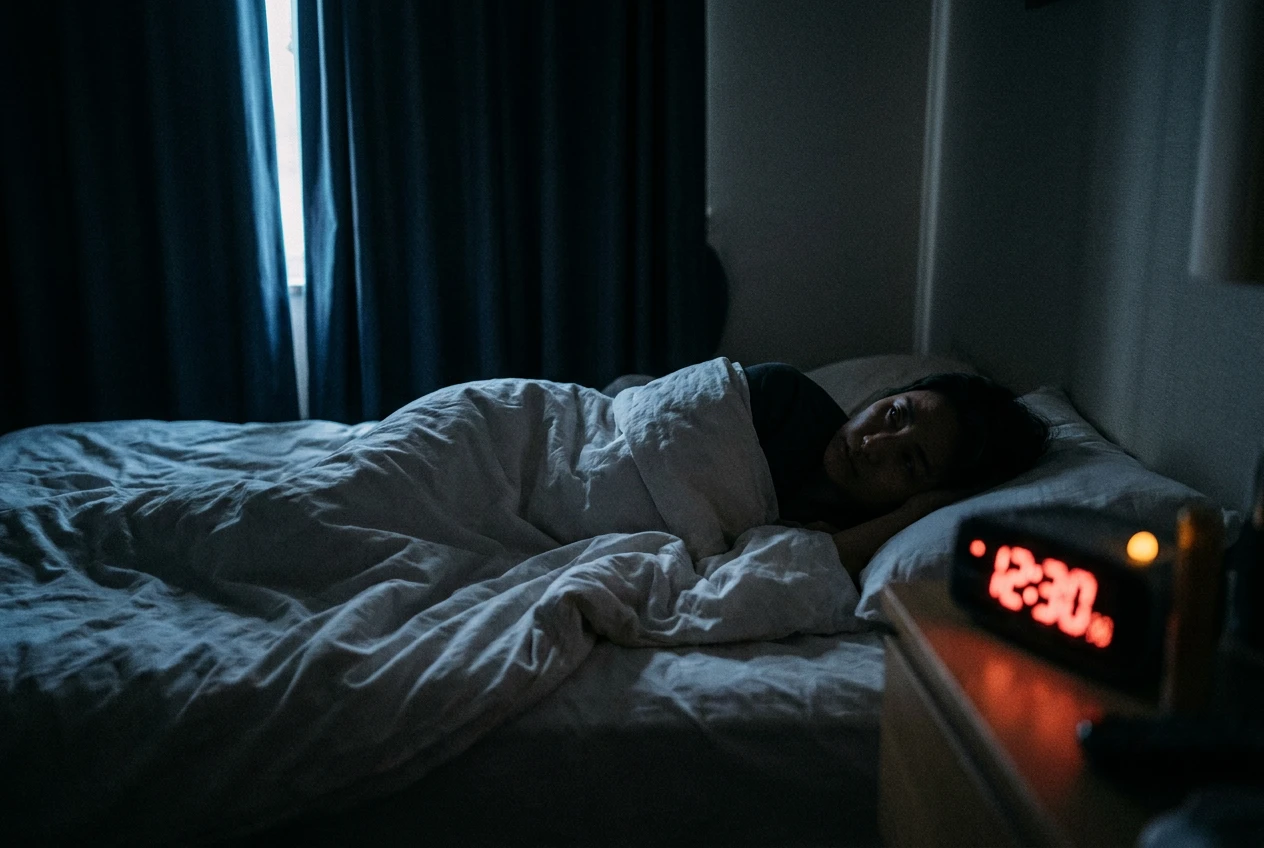
Poor sleep has been linked to the global rise in cancer among people under 50, according to two large studies presented to doctors in Chicago. Researchers tracked more than 18 million American adults and found that those with disrupted sleep were more likely to develop bowel, breast, uterine or ovarian cancer, with some insomnia patients up to three times as likely to be diagnosed within five years.
The numbers are striking, and the caveat sitting next to them is just as big. What the studies measured was an association rather than a cause, and several of the specialists who reviewed the work say the link could even run in the opposite direction.
What the MD Anderson Sleep Studies Found
The research came from MD Anderson Cancer Center in Houston, Texas, one of the world’s leading cancer institutions, and was presented at the annual meeting of the American Society of Clinical Oncology (ASCO, the largest gathering of cancer doctors in the world) in Chicago. Two separate studies drew on the health records of more than 18 million adults in the United States, all aged between 18 and 50.
The pattern held across both. People with poor sleeping habits were more likely to be diagnosed with early-onset bowel, breast, uterine or ovarian cancer than those who slept well. In the starkest result, under-50s already diagnosed with insomnia were up to three times more likely to develop cancer within five years.
The authors chose their words carefully. “These findings suggest that sleep disruption may represent a clinically relevant, potentially modifiable risk factor in early-onset cancer risk stratification and warrants further investigation,” the researchers said, presenting the work alongside thousands of other abstracts at the ASCO annual meeting programme.
That phrasing matters, because it is a long way from the message that travelled fastest online. The table below sets the headline framing against what the data actually showed.
| Detail | How headlines read it | What the researchers reported |
|---|---|---|
| Relationship | Bad sleep gives you cancer | Disrupted sleep is associated with higher risk |
| Type of evidence | Cause and effect | Observational data, no causation proven |
| Population studied | Young people in general | More than 18 million US adults aged 18 to 50 |
| Cancers involved | Cancer broadly | Bowel, breast, uterine, ovarian |
Why an Association Is Not Proof of Cause
An observational study can show that two things tend to occur together. It cannot, on its own, show that one produces the other. That limit sits at the centre of this research, and it is the first thing the specialists who reviewed it raised.
Dr David Garley, a GP (general practitioner, a family doctor) and director of the Better Sleep Clinic in Bristol, England, said the impact of insomnia on the risk of conditions including cancer was of growing interest. But he stressed that the studies found an association, not proof that broken sleep causes the disease. One real possibility is that the timeline runs backwards.
But it also might be the other way around. It could be that if you have cancer, and it’s not yet clinically obvious, it could be causing some change in how you sleep.
Garley also pointed to the messy reality of life without rest. People who sleep badly tend to drink more, weigh more, move less and smoke more, and any of those could be doing the harm the data pins on sleep. Claire Coughlan, clinical lead at Bowel Cancer UK, struck a similar note. “We don’t know exactly why this is yet, but researchers currently believe it may be due to genetics and lifestyle factors,” she said.
The Surge That Has Doctors Worried
Whatever the cause, the trend underneath the headlines is real, and it is the reason researchers are chasing leads like sleep at all. The scale is set out in the global early-onset cancer analysis published in BMJ Oncology, which tracked diagnoses in the under-50s across more than 200 countries.
- Almost 80%: the rise in early-onset cancer diagnoses worldwide over roughly three decades.
- 1.82 million to 3.26 million: the jump in annual cases among under-50s between 1990 and 2019.
- More than one million: the number of people under 50 who now die from cancer each year.
Cancer deaths among people in their 40s, 30s or younger rose by 27% over the same window. Bowel cancer is part of the picture: it remains far more common in the over-50s, but cases in younger adults have been climbing, a pattern Budgy App has covered in its reporting on colorectal cancer striking younger adults. For a group long treated as low risk, those curves have turned cancer in the young into a global research priority.
How Broken Sleep Could Feed Cancer Risk
There are reasons, beyond the statistics, why scientists take the idea seriously. Sleep is when the body does much of its repair work, and a long-running disruption to that cycle touches several systems known to matter in cancer.
Garley put the immune angle plainly. “If you’re sleeping badly, we know that one of the roles of sleep is restoring the immune system,” he said, adding that researchers are learning more about how infectious agents contribute to some cancers. A weaker immune response, in theory, leaves more room for abnormal cells to slip through.
Several biological threads are under active investigation:
- Immune surveillance: deep sleep helps maintain the cells that find and destroy damaged tissue.
- Circadian disruption: irregular sleep throws off the body clock and suppresses melatonin, a hormone tied to cell repair.
- Chronic inflammation: short sleep is linked to raised inflammatory markers that can encourage tumour growth.
- Knock-on habits: poor sleep nudges people toward drinking, overeating and inactivity, each a known risk on its own.
The body-clock link is not new ground. The International Agency for Research on Cancer (IARC, the World Health Organization’s cancer arm) classifies night-shift work that disrupts the body clock as probably carcinogenic to humans, a judgement built largely on studies of nurses and other shift workers. Insomnia is not the same as shift work, but the overlap in biology is part of why these new findings drew attention.
Steps That Lower Your Risk Right Now
For anyone unsettled by the coverage, the practical advice has not changed, and the biggest levers on cancer risk remain the familiar ones. Megan Winter, a health information manager at Cancer Research UK, said the evidence on insomnia and cancer in the under-50s was still thin and needed longer studies before firm conclusions could be drawn.
In the meantime, she said, people could reduce their risk by not smoking, maintaining a healthy weight and staying safe in the sun. Those proven steps sit at the core of established cancer prevention guidance:
- Stop smoking, the single largest preventable cause of cancer.
- Keep a healthy weight and stay physically active.
- Cut back on alcohol and processed meat.
- Protect your skin from strong sun.
- Take up screening invitations, including the newer blood test added to colorectal screening guidelines.
Better sleep belongs on the same list of healthy habits, even if its direct effect on cancer is still unproven. If you are unsure whether you are getting enough rest, a quick self-check on sleep quality is a sensible start, and anyone with persistent insomnia, unexplained weight loss or a lasting change in bowel habits should see a doctor rather than wait for the science to catch up.
Frequently Asked Questions
Does Poor Sleep Cause Cancer?
No. The two studies found an association between disrupted sleep and early-onset cancer, not proof that one causes the other. Researchers and independent experts say the link needs much more study, and the relationship may even run the other way, with undetected cancer changing how a person sleeps.
How Much Does Insomnia Raise Cancer Risk in Under-50s?
In the starkest finding, under-50s diagnosed with insomnia were up to three times more likely to develop cancer within five years. That figure comes from observational data, so it shows a statistical link rather than a measured cause, and it does not apply uniformly to every person with insomnia.
Which Cancers Were Linked to Poor Sleep?
The studies linked poor sleeping patterns to higher rates of early-onset bowel, breast, uterine and ovarian cancer in adults aged 18 to 50. Breast, uterine and ovarian cancers are hormone-related, which is one reason researchers want to examine the biology behind the pattern more closely.
Why Is Cancer Rising in People Under 50?
No single cause has been confirmed. Worldwide early-onset cancer diagnoses rose almost 80% between 1990 and 2019, and experts believe a mix of genetics and lifestyle factors is involved. Researchers are examining diet, obesity, alcohol, environmental exposures and sleep as possible contributors.
How Much Sleep Should Adults Get?
Most health bodies recommend roughly seven to nine hours a night for adults. Consistency matters too, since an irregular schedule disrupts the body clock. The studies focused on disrupted patterns and diagnosed insomnia rather than a single ideal number of hours.
Can Better Sleep Lower My Cancer Risk?
There is no proof yet that improving sleep alone lowers cancer risk. Good sleep supports immune function and overall health, so it is worth prioritising, but the most evidence-backed steps are not smoking, keeping a healthy weight, limiting alcohol, staying active and attending screening.
Disclaimer: This article is for informational purposes only and does not constitute medical advice. The studies described show an association between sleep and cancer risk, not a proven cause, and individual risk varies. Anyone with concerns about sleep, cancer risk or symptoms should consult a qualified healthcare professional. Figures are accurate as of publication.


Chronic Kidney Disease Now Strikes 788 Million Worldwide

Galaxy Z Fold 8 Crease Fix Means Samsung Is Chasing Oppo

Google Seeks Approval to Release 32 Million Mosquitoes in California

Gemini Spark Hits Google AI Ultra in the US: How It Works

US Smoking Rate Hits Record Low as Federal Tobacco Office Closes

Rayman Origins Enhanced Edition Leak Hints at Ubisoft Revival

Xbox Confirms PS5 Logos at Showcase as Bosses Split

Sunny Optical Is the Quiet Winner in Apple’s Pricey iPhone 18 Camera

Brain Freeze Could Be Flagging Migraine You Never Noticed

Genomic Test Lets High-Risk Breast Cancer Patients Skip Chemo

Subnautica 2 Studio Apologises, Holds Line on No-Kill Combat

Mitchell Matches Kobe in Game 7 Rout, Cavaliers Reach East Finals

Shai Gilgeous-Alexander Wins Second Straight MVP With 83 of 100 First-Place Votes

Brent at $111 Hides the Hormuz Damage Hitting Fed and Asia

Xperia 1 VIII Holds Price, Xiaomi 17 Max Loads Up: Week 20 Phone News

Colt Emerson Debuts, Mariners Get Swept by Padres in Vedder Cup

Rousey Finishes Carano in 17 Seconds and Hands Netflix Its MMA Opening

Samsung Strike Looms May 21 as Union Eyes SK Hynix Bonus Formula

LIRR Strike Hits Third Day as 250,000 Commuters Face a Tougher Manhattan Run

Jaylen Brown Calls Stephen A. Smith the Face of Clickbait Media
-

 TECHNOLOGY3 years ago
How to Adjust a Bulova Watch Band – An Easy Guide
-

 FINANCE3 years ago
Tax Planning for Every Season: Guide to Maximizing Your Tax Benefits
-

 News3 years ago
Fred Pentland: Athletic Bilbao’s English mentor who changed the essence of Spanish football
-

 BUSINESS3 years ago
What is Entrepreneurial Operating System? A Comprehensive Guide to EOS
-

 Education3 years ago
African Ministers New Education Plan
-

 Education3 years ago
Innovate Your Learning Journey with Technology and Enhance Education
-

 News3 years ago
Russians formally out of World Athletics Championships
-

 BUSINESS3 years ago
Top 9 Most Expensive American Cities to Rent an Apartment