
News
Zombie Sea Cucumber Tissue Hints at a HeLa Cell Rival

Severed body parts of a North Atlantic sea cucumber have stayed alive for more than three years in a lab tank, healing their own wounds, fending off microbes and feeding themselves without a mouth. Researchers studying the cold-water species Psolus fabricii describe the fragments as the first documented case of tissue immortality in natural conditions, and they have a nickname for them: zombies.
The discovery is strange enough on its own. Its potential reach goes further, toward a cell model that might one day supplement the human cell lines biology has leaned on since 1951, without the sterile labs and the consent scandal that came with them.
How a Glued-On Tube Foot Refused to Die
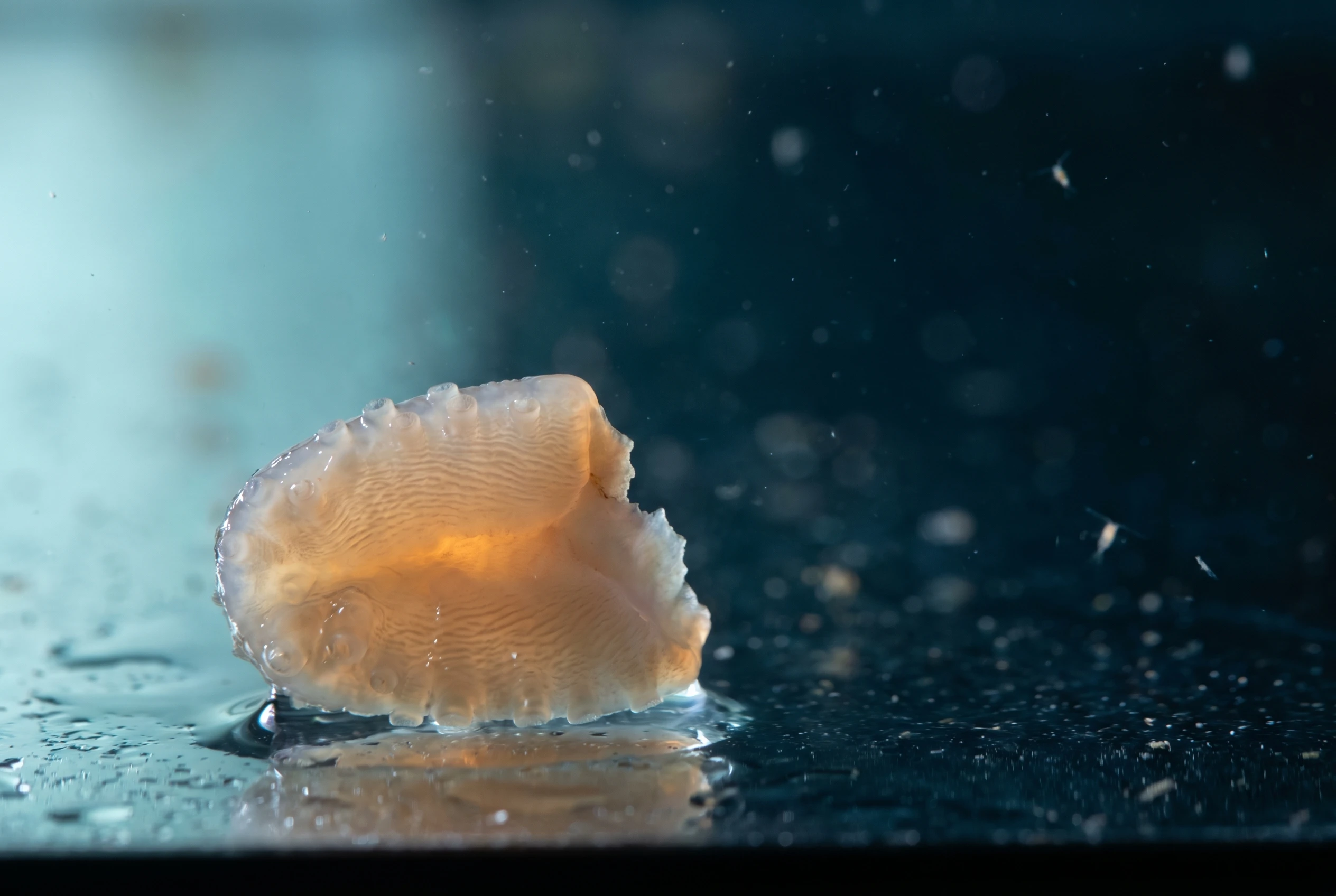
The finding started as an accident. A researcher at Memorial University in Newfoundland and Labrador pulled a sea cucumber off the glass of its aquarium, and a few of the animal’s tube feet stayed stuck to the tank. In the wild, that is routine. These animals shed body parts under stress and regrow them without much trouble.
What was not routine: the detached feet kept going. Days passed, then weeks, then months, and the fragments were still clinging on, still healing, even growing a little. So the team deliberately excised more pieces from the feet, the main body and the tentacles, then watched them in untreated seawater to see how far the trick would hold. You can read the lab’s own account of how the explants kept growing in seawater rather than rotting.
The pieces did far more than survive. Over the study period the team recorded a set of functions you would expect from a whole animal, not a torn-off scrap:
- Healed their own wounds and added a small amount of new growth
- Absorbed dissolved amino acids straight from the water, with no mouth or gut to feed through
- Kept producing and diversifying cells rather than winding down
- Mounted active immune responses while sitting in unfiltered, bacteria-rich seawater
- Still moved and recoiled when poked, months after being cut away
That last point is the one that unsettles biologists. A lizard drops its tail to escape a predator, but the tail just lies there. Here, the discarded part behaves as if it never got the message that it was supposed to be dead.
Why ‘Immortal’ Is Still a Claim Awaiting DNA Proof
The word immortal is doing a lot of work, and the researchers know it. What they have shown is survival with no sign of decay, degradation or necrosis (the medical term for cell death) across more than three years of observation. They stopped the clock and published; the tissue did not stop.
Sara Jobson, the doctoral student in ocean sciences who led the work, is careful about what the fragments are and are not. They are not regrowing into fresh sea cucumbers, and they are not reproducing. They sit in a strange middle state.
We lovingly call these tissue explants our zombies, because they seem to ride the line between dead and alive. They are not regrowing into a whole new organism. As far as we can tell, they seem to be their own entity that is maintaining cellular function, but not a reproducing individual.
The proof that would settle the question lives in the cells’ DNA. The team wants to know whether the genetic material shows wear after repeated copying, the molecular fraying that drives ordinary aging. If it does not, the immortality label sticks. Until that test runs, the honest description is signs of immortality, not a verdict, a caveat worth keeping in mind alongside other quietly strange findings in plant and animal biology.
The HeLa Problem These Sea Cucumber Cells Could Ease
Here is where a curiosity about marine invertebrates turns into a story about human medicine. Biology already runs on immortal cells, and has for decades. The trouble is where those cells came from and what they cost to keep.
A Cell Line Born Without Consent in 1951
The workhorse of cell biology is the HeLa line (the immortal human cells that divide endlessly in culture). Those cells were taken in 1951 from Henrietta Lacks, a patient with cervical cancer, without her knowledge or permission. They went on to power the polio vaccine, gene mapping and countless drug screens, but the lack of consent has shadowed the science ever since. You can trace how those cells became a research workhorse through the National Institutes of Health record.
An invertebrate sidesteps that ethical knot. Sea cucumber tissue carries none of the consent baggage of human cells, and animal-welfare rules for marine invertebrates are far lighter than those for human or mammal lines. Researchers have eyed echinoderm cells for exactly this reason for years.
Dirty Seawater Versus the Sterile Incubator
The second advantage is practical. HeLa cells are demanding tenants. They need a clean incubator, controlled temperature and a steady supply of growth media, and they will contaminate other cultures if a lab gets sloppy. The sea cucumber fragments do the opposite, thriving in water Jobson bluntly calls incredibly unclean. The contrast is stark enough to lay side by side.
| Feature | HeLa human cell line | Psolus fabricii explants |
|---|---|---|
| Origin | Cervical cancer cells, taken in 1951 | Tube feet, body and tentacles of a living sea cucumber |
| Consent and ethics | Taken without the patient’s consent | Invertebrate tissue, far fewer regulatory limits |
| Growth environment | Sterile, temperature-controlled incubator | Untreated, bacteria-rich seawater |
| Feeding | Needs growth media supplied by hand | Absorbs amino acids from the water on its own |
| Lifespan shown | Indefinite division over decades | More than three years and still going |
None of this means a sea cucumber explant can do what a human cell does in a cancer assay tomorrow. It means a second kind of self-sustaining tissue exists, one that survives the messy real world instead of fleeing from it.
Why Echinoderms Keep Breaking the Rules of Death
Sea cucumbers belong to the echinoderms, the group that also includes starfish and sea urchins, and the family has a long reputation for biological stunts. Some species eject their own digestive organs to distract a predator, then grow the guts back. Others reproduce by fission, splitting into pieces that each rebuild into a full clone.
That deep regenerative talent is part of why the fragments may persist. These cold-water animals live anchored to rock and the seabed across the North Atlantic, the same kind of bottom habitat where a trawling ban tripled seabed life in a recent Scottish study. Survival in a harsh, shifting environment seems to be baked into the cells themselves.
Even so, outside specialists frame the explant result as genuinely new rather than just another regeneration trick. Veronica Hinman, director of the Whitney Laboratory for Marine Bioscience at the University of Florida, who was not part of the study, said the work tests basic assumptions about what counts as alive. A liver survives because the body around it keeps blood, nutrients and waste removal flowing; cut tissue free and it usually rots within hours.
To borrow Jobson’s image, it is as if a lizard’s shed tail healed itself, then wiggled off into the woods and started feeding. The fragments appear to drop into a simpler self-maintaining state, suggesting some tissues hold enough internal organization to keep themselves running long after they leave the body.
What the Lab Wants to Test Before Calling It Forever
The DNA work comes first, because that is the line between a striking observation and a confirmed immortal cell line. Beyond that, the team sees a second use that has nothing to do with human medicine: ocean health. Whatever keeps these fragments clean and healthy in filthy water is a built-in defense worth identifying, and the same cells could become living sensors for rising sea temperatures or new pathogens.
If the genetic tests show no aging, the field gains a tough, cheap, ethically uncomplicated model for studying how wounds heal and tissue maintains itself. If they show the cells are quietly winding down after all, the zombies become a fascinating footnote about resilience rather than a rival to the cell lines medicine already trusts.
Frequently Asked Questions
What is the sea cucumber species behind the tissue immortality study?
The animal is Psolus fabricii, a cold-water sea cucumber native to the North Atlantic Ocean. It is an echinoderm, the same broad group that includes starfish and sea urchins, and it is known for strong regenerative ability.
How long did the severed sea cucumber tissue survive?
More than three years, with no signs of death, degradation or necrosis when the study was published. Researchers said the tissue showed no sign of stopping, and they ended the observation simply to publish the results in the journal Science Advances on May 27, 2026.
Are the sea cucumber cells confirmed to be immortal?
Not yet. The team has shown long-term survival and active cellular function, but true immortality requires checking whether the cells’ DNA shows aging after repeated replication. That genetic test is the next step and has not been completed.
Could these cells replace HeLa cells?
It is too early for that. HeLa cells are human and decades-proven across cancer and drug research, while the sea cucumber tissue is invertebrate and newly described. The hope is that the explants could supplement such lines for some studies, since they need no sterile incubator and carry fewer ethical constraints.
How do the tissues survive without a mouth or stomach?
They absorb dissolved amino acids directly from the surrounding seawater. The fragments also keep producing cells and run an active immune system, which lets them stay healthy in unfiltered water teeming with bacteria.
Why does this matter for medical research?
A self-sustaining, low-cost tissue model could help scientists study wound healing, tissue maintenance and aging without the controlled conditions and consent issues tied to human cell lines. It may also serve ocean health research as a sensor for warming water and pathogens.





NFL Three-Strike Safety Fouls Now Pull Coaches and Clubs In

Browns Fans Tape Protest Signs to Jim Brown Statue Over Watson

Amazon Pixel 11 Deal Erases the $100 Hike for One More Day

Elden Ring on Switch 2 Turns Its Own Worst Label Into a Portable Win

Ternus Takes the Stage With Apple’s Foldable Debut

Ikea Xbox Yxstaby Turns Controller Thumbstick Into Home Furniture

Pokémon Center Turns Past Worlds Wins Into Bundles and a Pikachu Coin

NFL Scraps Pro Bowl Game to Restore Pure Player Honor

New Twitter.now Bets the Brand Musk Left Behind

Bella Mir’s Famous First Loss Meets the Accountant Who Won

Double Fine Cuts 23 Jobs Weeks After Xbox Independence

Day-One Big Walk Lifts PS Plus August Beyond Recycled AAA

John Hight Exits Wizards After Digital Reckoning Hits

Curtis Mead’s Red Sox Debut Ends With Fractured Wrist

Moesch and Dressel Rewrite Night One at 2026 U.S. Nationals

Red Sox Squander Hot Streak Chance in 4-3 Loss to Athletics

Boutte’s Quiet Camp Takeover Forces Patriots Receiver Choices

Take-Two CEO Pushes Netflix Subs for GTA 6 Extended Look

Halo Campaign Evolved Skulls Meet Death Barriers That Kill the Hunt

Wildlands Free Update Hands Players the Tools They Already Invented
-

 TECHNOLOGY3 years ago
How to Adjust a Bulova Watch Band – An Easy Guide
-

 News3 years ago
Fred Pentland: Athletic Bilbao’s English mentor who changed the essence of Spanish football
-

 FINANCE3 years ago
Tax Planning for Every Season: Guide to Maximizing Your Tax Benefits
-

 Education3 years ago
African Ministers New Education Plan
-

 BUSINESS3 years ago
What is Entrepreneurial Operating System? A Comprehensive Guide to EOS
-

 Education3 years ago
Innovate Your Learning Journey with Technology and Enhance Education
-

 News3 years ago
Russians formally out of World Athletics Championships
-

 BUSINESS3 years ago
Top 9 Most Expensive American Cities to Rent an Apartment