
News
Mosquito Surge Spurs Warnings as West Nile Virus Threat Looms Over Grand Valley

As temperatures climb across western Colorado, so do mosquito counts—bringing with them the lurking risk of West Nile virus. Officials in Grand Junction say the time to act is now.
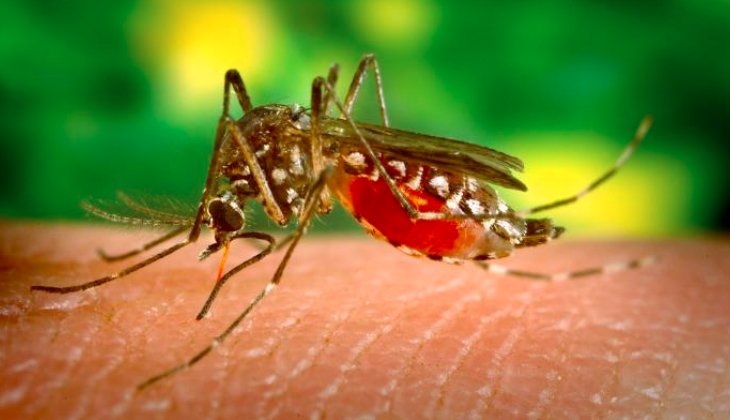
The Grand River Mosquito Control District has already kicked off its seasonal treatment blitz, targeting stagnant water and known breeding sites. And while many people shrug off mosquito bites as nothing more than an itchy inconvenience, experts are sounding the alarm about the real dangers that come with them.
Early Season, Early Action
Spraying operations started back in April, well before summer officially began.
That’s not by accident. Mosquitoes don’t wait for calendar dates—they follow the heat. And with an unusually warm spring this year, mosquito populations have arrived ahead of schedule.
The control district’s main strategy involves larvicide applications to standing water—ditches, ponds, tires, gutters. Basically, anywhere mosquitoes can breed. It’s not glamorous work, but it’s critical.
“You cut the population off before it starts,” said Tim Moore, field operations coordinator with the Grand River Mosquito Control District. “That’s the idea—kill the larvae before they become biters.”
Why West Nile Is No Joke
Let’s get one thing straight: most people who catch West Nile virus won’t even know it.
Sounds harmless, right? Not exactly.
Roughly 1 in 5 infected people develop symptoms like headaches, body aches, vomiting, or rashes. And about 1 in 150 will develop serious complications like meningitis, encephalitis, or paralysis. In rare cases, it can kill.
That’s especially dangerous for folks over 60 or those with compromised immune systems. And since there’s no vaccine or specific treatment, prevention is the best weapon.
In Colorado, West Nile isn’t some theoretical threat. Last year alone, the state reported 169 human cases and 17 deaths, according to the CDC. Mesa County accounted for a significant chunk of those numbers.
Prevention Starts at Home
The district can’t do it all. Homeowners need to play a role too, Moore emphasized.
He recommends keeping an eye out for common mosquito hangouts and eliminating them quickly.
-
Toss out old tires or buckets that collect rainwater
-
Clean clogged gutters
-
Change birdbath water weekly
-
Cover rain barrels
-
Repair window and door screens
It doesn’t take much water to breed mosquitoes—just a bottle cap’s worth can be enough. That’s why even the smallest overlooked spots can turn into mosquito factories.
“People don’t realize how easy it is for mosquitoes to reproduce,” Moore said. “And once they do, you’ve got a problem.”
Wardrobe Choices Can Make a Difference
Not all summer fashion is mosquito-safe.
Tight leggings and fitted workout tops? Mosquitoes love those. They can bite right through thin, tight fabrics like they’re not even there.
Looser, long-sleeved clothing is much harder for mosquitoes to penetrate. Light-colored fabrics also help, since mosquitoes are drawn to dark hues.
Evenings and early mornings are peak biting hours—so that’s when people need to be most cautious.
“Dress smart and spray up,” Moore said bluntly. “Don’t give them a chance.”
DEET, Picaridin, Oil of Lemon Eucalyptus—Pick Your Poison
Repellents work. Period.
But not all bug sprays are created equal. Some wear off quickly. Others smell awful. And a few just don’t cut it.
The CDC recommends repellents that contain:
| Active Ingredient | Recommended For | Duration of Protection |
|---|---|---|
| DEET (20–30%) | Adults and kids >2 months | 4–8 hours |
| Picaridin (20%) | Sensitive skin users | 6–8 hours |
| Oil of Lemon Eucalyptus | Natural option | ~6 hours |
Parents should avoid using DEET on babies under 2 months. And never apply repellent under clothing—only on exposed skin and outer layers.
Sprays with a higher percentage of active ingredient generally last longer. But don’t go overboard. More isn’t always better.
Not Just a Rural Problem Anymore
Some folks think mosquitoes are only an issue near farms or rivers. Not so much these days.
Urban areas are catching up fast—especially as more cities sprawl into previously rural regions. Backyard fountains, poorly maintained pools, and forgotten flowerpots all contribute to rising mosquito counts.
Tim Moore’s team now treats dozens of suburban neighborhoods every week, not just open fields and canals.
“It’s not just the boonies anymore,” he said. “We’re spraying in cul-de-sacs and HOA parks.”
Summer Isn’t the End of It
Think the risk dies off in August? Not quite.
Mosquitoes stick around until the first hard frost. And some years, that doesn’t come until late October in Grand Junction. So if you’re planning to stop spraying or covering up after Labor Day, think again.
The control district’s operations continue well into the fall, tracking mosquito populations and West Nile activity weekly.
Last year, human cases in Colorado peaked in late September—a full month after most people assumed the risk had passed.
So yes, summer’s the worst. But autumn’s no cakewalk either.











Spotify Running Mode hits Android and revives its old tempo experiment

Galaxy Tab S12 Ultra Renders Keep the Notch Fans Hate

Novato Spinning Round House Sells With Six Neighbors for $3.3 Million

Crop Tour Finds Indiana and Nebraska Corn Yields Lagging 2025

Best Buy 60th sale brings Android deals back to its roots

American Airlines reverses seatback screen bet years too late

Iran Hormuz Strikes Force Gulf Oil Onto Costlier Paths

Plague Tale Prequel Day One Joins Game Pass Wave 2 as Witcher Exits

NBA 2K27 opens The City to everyone and rewrites career eras

iOS 26.6.1 Patches 29 Flaws as AI Forces Faster Apple Updates

Double Fine Cuts 23 Jobs Weeks After Xbox Independence

Day-One Big Walk Lifts PS Plus August Beyond Recycled AAA

John Hight Exits Wizards After Digital Reckoning Hits

Curtis Mead’s Red Sox Debut Ends With Fractured Wrist

Red Sox Squander Hot Streak Chance in 4-3 Loss to Athletics

Moesch and Dressel Rewrite Night One at 2026 U.S. Nationals

Boutte’s Quiet Camp Takeover Forces Patriots Receiver Choices

Take-Two CEO Pushes Netflix Subs for GTA 6 Extended Look

Halo Campaign Evolved Skulls Meet Death Barriers That Kill the Hunt

Wildlands Free Update Hands Players the Tools They Already Invented
-

 TECHNOLOGY3 years ago
How to Adjust a Bulova Watch Band – An Easy Guide
-

 News3 years ago
Fred Pentland: Athletic Bilbao’s English mentor who changed the essence of Spanish football
-

 FINANCE3 years ago
Tax Planning for Every Season: Guide to Maximizing Your Tax Benefits
-

 Education3 years ago
African Ministers New Education Plan
-

 BUSINESS3 years ago
What is Entrepreneurial Operating System? A Comprehensive Guide to EOS
-

 Education3 years ago
Innovate Your Learning Journey with Technology and Enhance Education
-

 News3 years ago
Russians formally out of World Athletics Championships
-

 BUSINESS3 years ago
Top 9 Most Expensive American Cities to Rent an Apartment