
FINANCE
Mortgage Rates Hit an 11-Month High as Oil Fears Bite
Freddie Mac’s 30-year rate hit 6.58% this week as an Iran-driven oil shock pushes Treasury yields toward levels that could tip the Fed toward a hike.

The average rate on a 30-year fixed mortgage climbed to 6.58% this week, its highest level in nearly 11 months, Freddie Mac said Thursday. It marks the fourth straight weekly increase, and it landed the same day oil prices topped $100 a barrel for the first time since May.
A widening war between the United States and Iran is doing the pushing, rattling the bond market that actually prices home loans. That leaves buyers caught between a housing market that is finally cooling on price and a borrowing cost that keeps climbing anyway.
A Fourth Straight Weekly Climb to 6.58%
Freddie Mac’s Primary Mortgage Market Survey, released Thursday, showed the 30-year fixed-rate mortgage averaging 6.58% for the week, up from 6.55% the week before. The 15-year fixed rate rose too, to 5.96% from 5.93%.
“The 30-year fixed-rate mortgage averaged 6.58% this week,” said Sam Khater, Freddie Mac’s chief economist. “As market conditions continue to evolve, borrowers should remember that shopping around for a mortgage rate can make a meaningful difference, potentially saving them thousands over the loan’s lifetime.”
It is the highest reading since Aug. 21, 2025, though the rate is technically still below where it stood exactly a year ago, at 6.74%. The climb has been steady rather than sudden, four weeks in a row of higher prints after a brief dip in early July:
| Week Ending | 30-Year Fixed | 15-Year Fixed |
|---|---|---|
| July 2, 2026 | 6.43% | 5.79% |
| July 9, 2026 | 6.49% | 5.82% |
| July 16, 2026 | 6.55% | 5.93% |
| July 23, 2026 | 6.58% | 5.96% |
Freddie Mac’s own release confirmed the 30-year average climbed to 6.58% for the week, extending a run that first pushed rates to a nine-month high earlier this summer before matching last week’s own 11-month high of 6.55%.
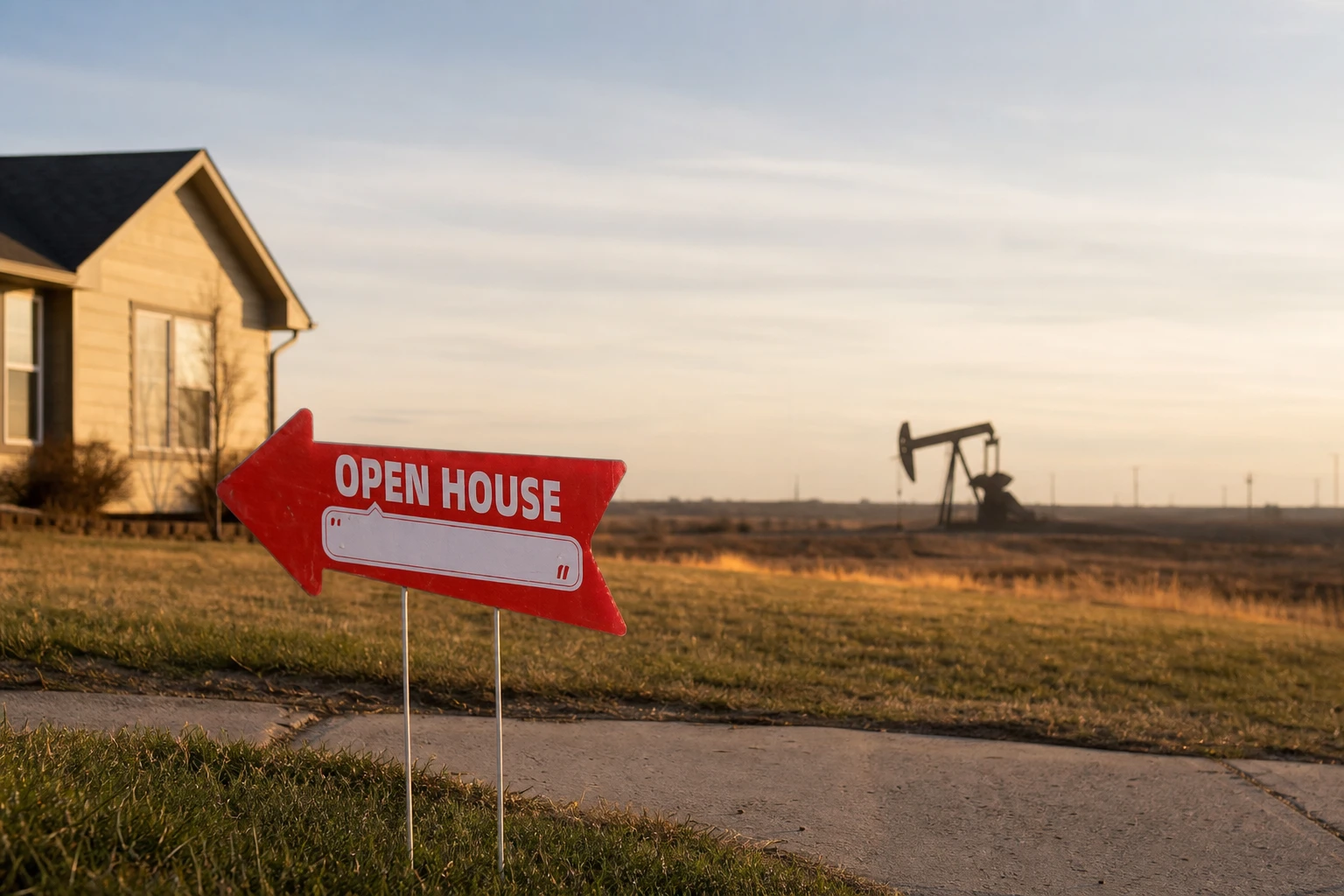
How an Iran Oil Shock Reached the Bond Market
The 10-year Treasury yield, which mortgage rates track far more closely than the Fed’s own benchmark rate, rose to 4.699% Thursday afternoon. CNN clocked the same climb at 4.71% that day, describing it as the highest level in more than a year, as investors in the roughly $30 trillion Treasury market weighed surging oil prices against the chance the Federal Reserve holds rates higher for longer, or raises them.
Oil crossed $100 a barrel on Thursday for the first time since May, and gasoline has already followed, with prices pushed back above $4 a gallon in parts of the country. The renewed fighting between the U.S. and Iran erupted after an earlier ceasefire collapsed, reigniting a conflict that first began in late February.
The tug-of-war between inflation and the renewed conflict between the U.S. and Iran is reflected in today’s rates, as higher oil prices raise concerns that elevated energy costs could filter into future inflation readings.
Jeff DerGurahian, chief investment officer and head economist at LoanDepot, a mortgage lender, made that point Thursday. His read matches what bond traders have been pricing for weeks: an oil shock feeding inflation fears, not a housing-specific problem, is what is keeping borrowing costs up.
A New Fed Chairman Inherits an Old War’s Bond Shock
Kevin Warsh took the oath of office as Federal Reserve chairman on May 22, succeeding Jerome Powell after the Senate confirmed him 54-45. The Federal Open Market Committee unanimously selected Warsh as its chairman that same day, capping a nomination process President Trump pushed hard to steer toward faster rate cuts.
“I had a rotten head of the Fed, and now I have a great head of the Fed,” Trump said at a rally hours after the swearing-in, predicting rates would fall “very quickly” under Warsh.
Instead, traders are now pricing a 36% chance the Fed hikes rates, not cuts them, at its policy meeting next week, according to CME Group’s FedWatch tool as reported by CNN. That is a sharp shift from where things stood even a few weeks ago.
- Why the Fed funds rate isn’t the whole story – the Fed’s overnight rate guides short-term borrowing, but 30-year mortgages are priced off the 10-year Treasury yield, since most home loans are refinanced, sold or paid off on a similar timeline.
- Why yields move on oil, not just Fed meetings – investors demand a higher yield when they expect inflation to erode their returns, and an oil-driven inflation scare does that even without a Fed decision.
Warsh had argued before his nomination that artificial intelligence would lift productivity and cool inflation enough for the Fed to cut rates, and had treated tariffs as a one-time price bump. That case, largely, predates the Iran war now shaping his first months in the job.
Buyers Retreat as Loan Applications Slide
Higher rates are already showing up in loan demand. The seasonally adjusted purchase index fell 7% in a week, the Mortgage Bankers Association said of the week ending July 10.
- Purchase applications: down 7% from the prior week on a seasonally adjusted basis, and 2% below the same week a year ago.
- Refinance applications: up 4% from the prior week despite the higher rates, and still 7% above year-ago levels.
- Government-backed lending: FHA applications rose to 17.7% of volume from 16.4%, and VA share climbed to 13.6% from 13%.
- MBA’s own rate reading: 6.65% for that week, which the trade group called the highest since August 2025.
“Mortgage applications declined as the 30-year fixed rate increased to 6.65 percent, the highest level since August 2025,” said Joel Kan, MBA’s vice president and deputy chief economist. “Purchase applications were down over the week and dipped below last year’s pace in the week following the July 4th holiday.”
Cooling Home Prices Can’t Offset the Rate Climb
There is a genuine bright spot buried in the data. Realtor.com’s midyear update to its 2026 housing forecast now estimates home price growth will slow to just 1.2% this year, a smaller gain than its original forecast and below the current pace of inflation. Practically, that means home prices are effectively falling once inflation is stripped out.
That should be good news for buyers priced out over the past few years. But a rate that keeps grinding higher chips away at exactly the affordability those slower price gains are supposed to deliver, since the monthly payment on a home loan is far more sensitive to the interest rate than to a percentage point or two of purchase price.
How High Is Too High for Mortgage Rates?
Housing economists have flagged 6.64% as a rough pain line. Rates above that level have historically coincided with weaker housing activity, and the market has been hugging or crossing it for weeks: 30-year rates have held above 6.5% for eight straight weeks and above 6.4% since the Iran war’s first month in late February, according to mortgage industry trade coverage of MBA’s data.
Freddie Mac’s smoothed weekly average, 6.58%, sits just under that threshold. MBA’s own survey, at 6.65% for its most recent reading, is already past it. The gap between the two comes down to methodology, MBA’s figure reflects contract rates tied to actual loan locks during the week, while Freddie Mac averages submitted loan applications, but both point the same direction.
What Homebuyers Can Actually Control
Khater’s advice was blunt: shop around. A borrower who compares offers across lenders can find meaningfully different rates on the same day, potentially saving thousands of dollars over the life of a 30-year loan.
DerGurahian offered a similar message from the lending side. “While mortgage rates remain elevated, homebuyers may be better served focusing on the full cost of homeownership rather than trying to guess where rates will be a few months from now,” he said.
Neither the oil market nor the Fed’s next move is something a buyer can time. The rate they lock this week, and how hard they shop for it, is.
Frequently Asked Questions
What loans does Freddie Mac’s mortgage rate survey actually track?
The survey covers conventional, conforming, fully amortizing home purchase loans for borrowers who put 20% down and have excellent credit. Buyers with smaller down payments, lower credit scores or jumbo loan amounts typically see different, often higher, quoted rates than the headline PMMS figure.
Why are mortgage rates rising without a Fed rate hike?
Mortgage rates track bond market expectations, not the Fed’s current setting. A JPMorgan Chase forecast issued in April predicted the Fed would hold rates steady until mid-2027 and would be more likely to raise than cut even then. By late July, CME FedWatch data put a 36% probability on a hike at next week’s meeting alone, a sign the timeline has moved up fast.
Why is the 15-year mortgage rate lower than the 30-year rate?
At 5.96% versus 6.58%, the 15-year loan carries less interest-rate risk for the lender because it is paid off twice as fast. Borrowers who can handle the higher monthly payment build equity faster and pay far less total interest, even though the headline rate gap looks small.
Does the tight resale housing market connect to mortgage rates?
Yes. Many current homeowners refinanced or bought at rates near 3% before 2022 and have little financial incentive to sell and take on a loan above 6.5%, a dynamic economists call the lock-in effect. That keeps resale inventory tight even as buyer demand cools.


Walmart’s $50 Million Opioid Settlement Closes Case Without Admission

California Sues Over $120 Million Morro Bay Wind Lease Buyout

Gilead Bixlenvo FDA Nod Opens Single Pill Path for Complex HIV Cases

Meta’s $18B Kids Deal Forever Shields Data Used to Spot Under-13s

Lettuce Outbreak Drove Record Cyclospora Spike Across 20 States

Amazon Shaves $20 Off M6 Mac Mini Before It Even Ships

SpaceX Louisiana Port Tests Debt Markets on Orbital AI Scale

Microsoft High Lifts Indexes as Small Caps Crack Support

Apple Replays 2015 Saturday Midnight Preorder for iPhone 18 Pro

Updated COVID Shots Clear FDA but Access Friction Hits High-Risk Groups

Take-Two CEO Pushes Netflix Subs for GTA 6 Extended Look

Quake Gets 19 Free Maps From MachineGames Quake Club

Destiny 2 Fans Unlock Vaulted Maps After Live Service Ends

Wildlands Free Update Hands Players the Tools They Already Invented

Quordle Monday Delivers Gavel Crush Speed Ethos Cleanly

Stripe Bid Shows PayPal Moat Cracked After Years of Slide

Tyson’s Five-Year Utah Plant Falls to Cattle Shortage Reckoning

Silver Lake Workday Talks Signal Private Floor for Software

Kennedy Lewis Takes Majority Control of The Greenbrier in $500M Deal

Best Buy Marks 60 Years With Sale That Echoes Its Audio Shop Roots
-

 TECHNOLOGY3 years ago
How to Adjust a Bulova Watch Band – An Easy Guide
-

 News3 years ago
Fred Pentland: Athletic Bilbao’s English mentor who changed the essence of Spanish football
-

 FINANCE3 years ago
Tax Planning for Every Season: Guide to Maximizing Your Tax Benefits
-

 Education3 years ago
African Ministers New Education Plan
-

 BUSINESS3 years ago
What is Entrepreneurial Operating System? A Comprehensive Guide to EOS
-

 Education3 years ago
Innovate Your Learning Journey with Technology and Enhance Education
-

 News3 years ago
Russians formally out of World Athletics Championships
-

 BUSINESS3 years ago
Top 9 Most Expensive American Cities to Rent an Apartment