
News
Mesa County Demands Direct Federal Road Cash

Rural Roads Crumble While Urban Projects Get Priority
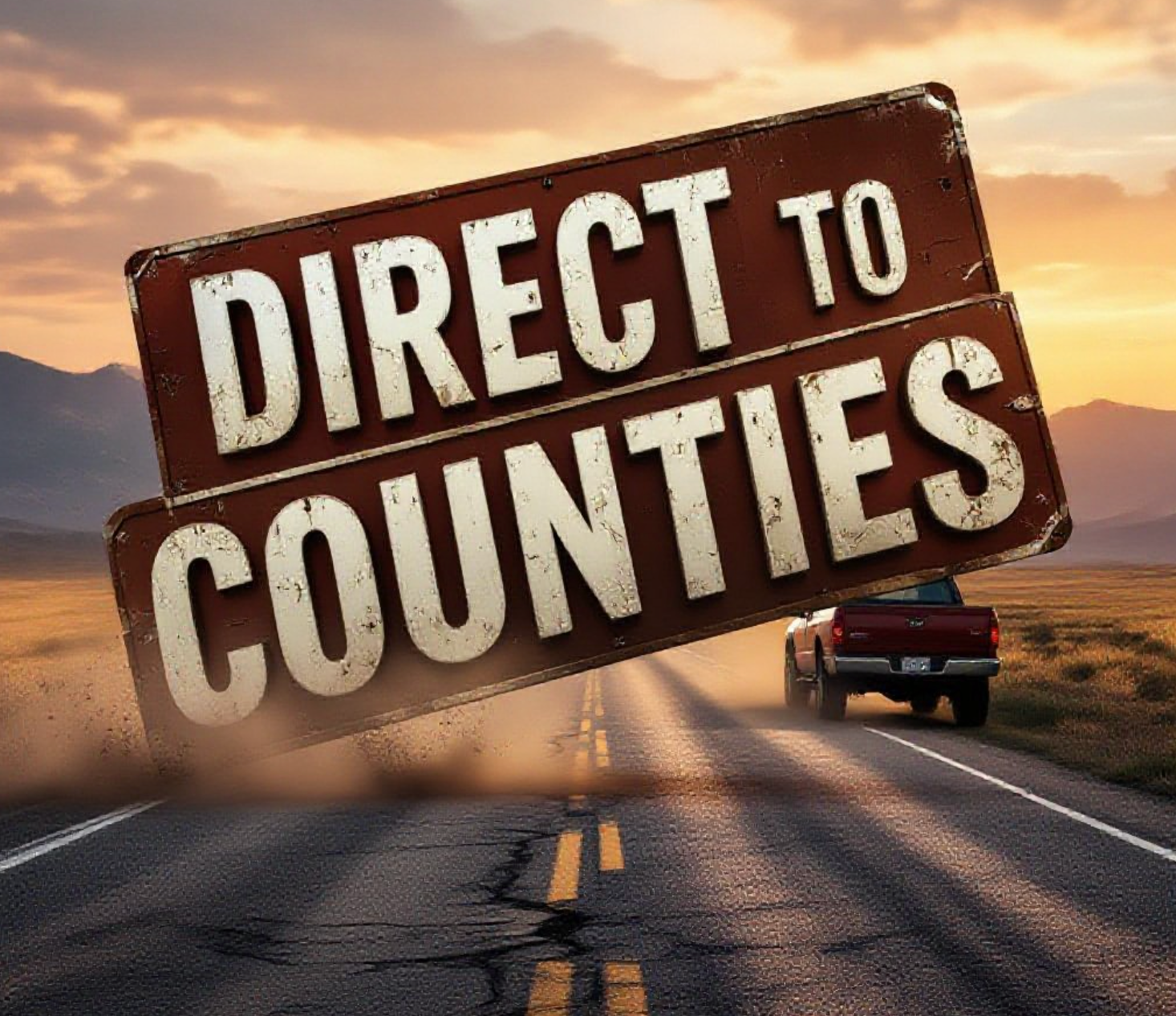
Mesa County commissioners just fired off a strong letter to Colorado’s congressional delegation, backing H.R. 7437, the bill that would send federal transportation dollars straight to counties instead of routing them through the state first.
The current system is starving rural America. Mesa County alone maintains almost 3,000 lane miles of roads and more than 100 major bridges, yet most federal money gets swallowed up by metro areas before it ever reaches places like Grand Junction.
Why Counties Are Fighting Back
Commissioner Bobbie Daniel didn’t hold back.
“Counties own and maintain nearly half of all public roads in America,” Daniel told KJCT. “We’re not asking for special treatment. We’re asking for fairness.”
Right now, federal highway funds flow to state departments of transportation, which then decide where the money goes. Rural leaders say that process consistently short-changes smaller communities.
“The dollars usually follow the population,” Daniel said. “That leaves huge parts of the country with crumbling infrastructure and no real way to fix it.”
How H.R. 7437 Would Change Everything
The bill, introduced by North Carolina Rep. Greg Murphy in February 2024, cuts out the middleman.
Instead of going through state DOTs and regional planning organizations, certain federal funds would go directly to county governments. That means local leaders could start major road and bridge projects faster and cheaper.
Mesa County officials say the impact would be immediate.
Better roads mean safer school bus routes, faster emergency response times, and cheaper shipping costs for farmers and businesses. One delayed load of fruit or grain because of bad roads can wipe out a season’s profit.
The Numbers Tell the Story
Here are the hard facts about America’s rural road crisis:
- Counties maintain 44% of the nation’s public road miles (1.9 million miles total)
- 1 in 5 rural bridges is structurally deficient
- Rural roads have a fatality rate almost 2.5 times higher than urban roads
- Colorado alone has more than 9,000 bridges, many in rural counties needing urgent repairs
The National Association of Counties (NACo) has made this their top legislative priority for 2024. Mesa County’s letter is just the latest in a growing wave of rural governments demanding change.
What’s Next for the Bill
H.R. 7437 currently sits in the House Transportation and Infrastructure Committee. It has bipartisan support and backing from county officials across the country, but faces the usual Washington gridlock.
Still, momentum is building. When rural communities from Colorado to North Carolina start speaking with one voice, Congress has to listen.
Mesa County isn’t just asking for a bigger slice of the pie. They’re saying the pie shouldn’t have to go through Denver or Raleigh first before a single crumb reaches the people who actually maintain America’s roads.
Because when a school bus hits a pothole or a farmer can’t get crops to market, it’s not a state problem. It’s a county problem. And counties are ready to fix it themselves, if Washington will just send the money directly.
What do you think, should federal road money go straight to counties? Drop your thoughts below and tag #DirectToCounties if you’re sharing this story.











Geekbench 7 Launches and Erases Three Years of Scores

Google’s Selfie Video Sign-In Arrives as Deepfake Fraud Surges

Samsung’s New Galaxy Z Fold 8 Undercuts Its Own Ultra

Kroger and Brookshire’s Recall Over 19 Million Eggs for Salmonella

Mortgage Rates Hit an 11-Month High as Oil Fears Bite

Oil’s Price Shock Collides With Wall Street’s AI Spending Boom

Parsley and Cilantro Emerge as Cyclospora Suspects in North Carolina

Walmart Dresser Recall Reveals a Wider Furniture Safety Sweep

Apple’s iOS 27 Speed Fixes Echo Its 2018 Playbook

Cheshire Medical Center Cyclospora Cluster Exposes a Wider Outbreak

Pokémon GO Developer Niantic Rebrands as Scopely Explore

Persona 4 Revival Hands All Anime Cutscenes to Studio MAPPA

Doom Studio id Software Cuts Half Its Staff in Xbox Layoffs

Jaylen Brown Traded to 76ers for Paul George and Four Draft Picks

Nintendo Switch Online Adds Four Classics and One Japan-Only Title

Jordan Henderson Hospitalized After Wrist Injury at the Azteca

Mexico’s World Cup Run Ends at Azteca as England Hold On 3-2

Meta’s Muse Image Lets Anyone Use Your Instagram Photos in AI

Louis Vuitton Beats Molly Tea in China, Triggers Cultural Backlash

Pink Bearista Cup Returns July 13 as Starbucks Pink Vibes Drops
-

 TECHNOLOGY3 years ago
How to Adjust a Bulova Watch Band – An Easy Guide
-

 News3 years ago
Fred Pentland: Athletic Bilbao’s English mentor who changed the essence of Spanish football
-

 FINANCE3 years ago
Tax Planning for Every Season: Guide to Maximizing Your Tax Benefits
-

 Education3 years ago
African Ministers New Education Plan
-

 BUSINESS3 years ago
What is Entrepreneurial Operating System? A Comprehensive Guide to EOS
-

 Education3 years ago
Innovate Your Learning Journey with Technology and Enhance Education
-

 News3 years ago
Russians formally out of World Athletics Championships
-

 BUSINESS3 years ago
Top 9 Most Expensive American Cities to Rent an Apartment