
Health
Parsley and Cilantro Emerge as Cyclospora Suspects in North Carolina
North Carolina ties parsley and cilantro to 561 cyclospora cases as the federal tracing rule covering those same herbs stays unenforced until 2028.

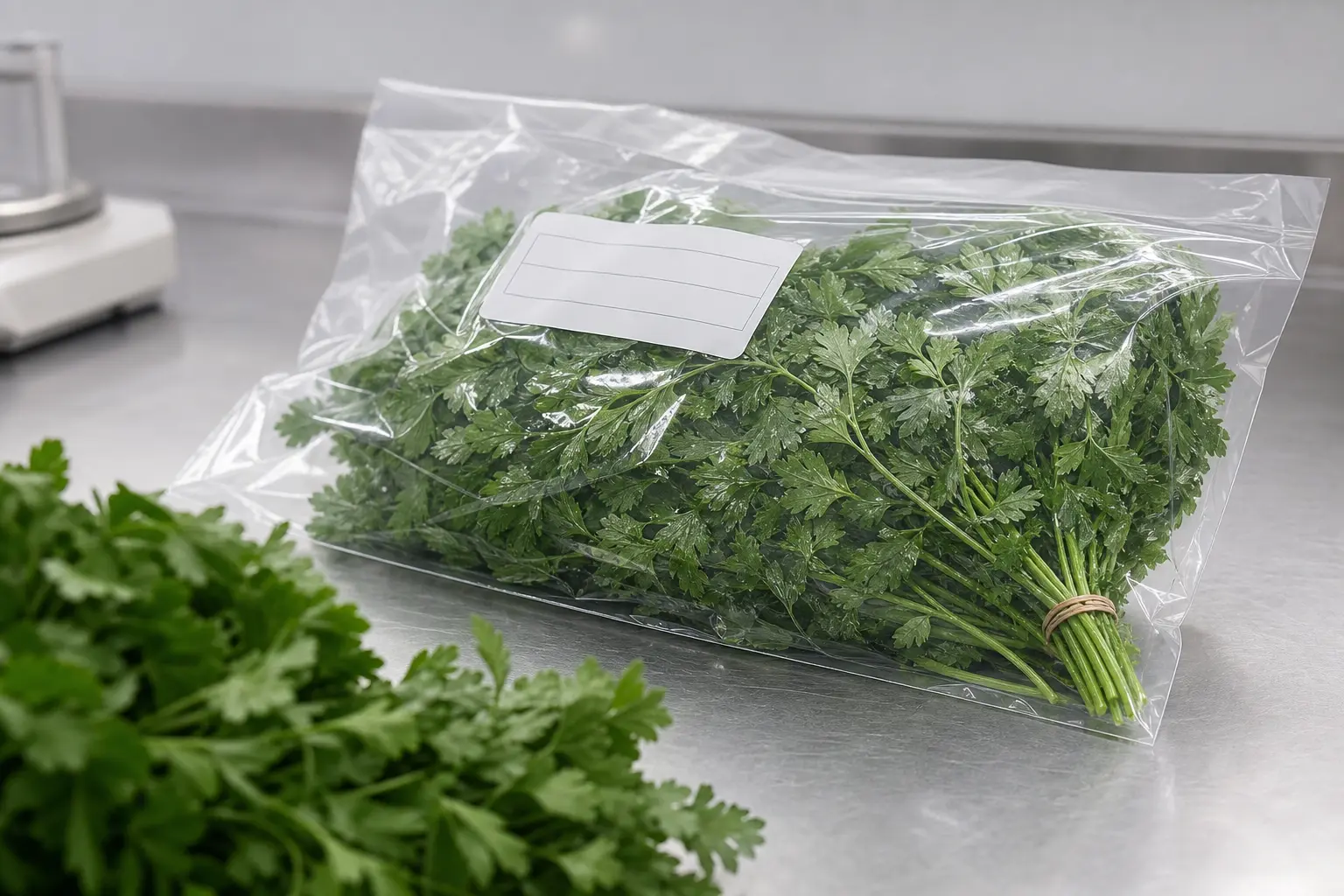
North Carolina health officials say 561 people have caught cyclosporiasis in the state since May 1, and parsley and cilantro now sit beside lettuce on the list of foods showing up again and again in interviews with the sick. That is nearly double the state’s entire 2025 caseload, officials said at a July 21 press conference first detailed by Consumer Reports. Officials say the cluster has nothing to do with the shredded lettuce sickening people at Taco Bell locations in five other states.
Both the herbs and the lettuce already sit on the FDA’s own list of high-risk foods that require fast, mandatory tracing. The rule that would force growers to produce that data on demand does not legally bind anyone until 2028.
Herbs Join Lettuce on North Carolina’s Suspect List
Carl Williams, a public health official at the North Carolina Department of Health and Human Services (DHHS), told reporters that parsley, cilantro and lettuce keep surfacing when investigators walk sick residents through what they ate before falling ill. He was careful to call the finding preliminary.
We have not noticed that association here. We can say that because we do a thorough investigation of all of these reported cases in collaboration with our local health departments.
Williams made that statement specifically to rule out a link between North Carolina’s cases and the Taylor Farms lettuce cluster tied to Taco Bell in Indiana, Kentucky, Michigan, Ohio and West Virginia. No definitive source has been identified in North Carolina, he said, and the state’s Department of Agriculture and Consumer Services is not currently testing lettuce tied to the outbreak.
North Carolina has sent several hundred stool samples to the CDC for genetic comparison. So far, Williams said, the agency’s molecular analysis has only matched up some clusters within the state, and a DHHS spokesperson declined to say whether parsley, cilantro and lettuce appeared with equal frequency in patient interviews, or whether the FDA is separately investigating the state’s cluster.
The Worst Cyclospora Season on Record
North Carolina’s numbers are a small piece of a much bigger national spike. CDC’s 4,173 lab-confirmed domestic cases reported since May 1 already dwarf anything in the agency’s modern surveillance record, with more than 7,400 additional cases still awaiting lab confirmation.
A week earlier, when CDC’s confirmed count stood at 1,645, the agency said 141 patients, or 9%, had been hospitalized, with no deaths reported and cases spread across 34 states. That count was already far above the 249 cases the country had logged by the same point in 2025.
Put the years side by side and the scale becomes obvious.
| Year | Confirmed U.S. Cases | Context |
|---|---|---|
| 2013 | 798 | Previous peak year, tied to imported cilantro and salad mix |
| 2025 | 1,180 | Full calendar year, per CDC surveillance data |
| 2026 (since May 1) | 4,173 confirmed; 7,400+ pending | Season runs through August 31, so the total will keep climbing |
The cyclosporiasis season officially runs May 1 through August 31. More than five weeks remain before it closes.
Six Outbreaks, One Confirmed Source
The FDA has opened investigations into six separate cyclosporiasis outbreaks this summer. Only one has a named source: the shredded iceberg lettuce from Taylor Farms de Mexico tied to Taco Bell.
That cluster alone accounts for 1,644 illnesses as of July 13, across the five affected states, with 94 hospitalizations and no deaths, according to CDC’s ongoing investigation update. Michigan carried much of that load; case counts there climbed fast enough that the chain pulled lettuce once Michigan topped 3,300 cases. Subtract that cluster from the national total and more than 2,500 confirmed cases still have no restaurant or supplier attached to them at all.
On July 22, the FDA said it opened yet another investigation, this one tied to at least 72 cases and what the agency called a not yet identified product. An FDA spokesperson said the agency has begun traceback work but declined to say whether it connects to North Carolina or any other state.
Here is where the outbreaks actually stand, as of the most recent public statements.
- Confirmed: North Carolina’s caseload has nearly doubled its 2025 total, and cases are accelerating nationally week over week.
- Confirmed: Parsley, cilantro and lettuce recur often enough in North Carolina interviews that officials believe they may be implicated.
- Confirmed: Five of the FDA’s six open outbreak investigations have no identified source at all.
- Unconfirmed: Whether North Carolina’s cluster shares any genetic fingerprint with cases in other states.
- Unconfirmed: The specific grower, packer or distributor behind any implicated parsley or cilantro.
- Unconfirmed: Whether the July 22 unidentified-product cluster overlaps with North Carolina’s cases at all.
A Traceability Rule That Will Not Bind Until 2028
Fresh herbs are not an afterthought in federal food safety planning. Parsley, cilantro and basil sit on the FDA’s own Food Traceability List alongside leafy greens, a roster the agency built specifically because these items turn up disproportionately in outbreak investigations.
The rule attached to that list, part of the Food Safety Modernization Act, would force anyone who grows, packs or ships a listed food to keep detailed harvest-to-shelf records and hand them to investigators within 24 hours of a request. It was supposed to take effect in January 2026, squarely inside this outbreak season.
It will not. The FDA pushed the compliance deadline back 30 months to July 20, 2028, and Congress locked that delay into law through last year’s continuing appropriations package. Investigators chasing North Carolina’s herbs are working with the same slower, interview-based tools that took weeks to even preliminarily flag lettuce, parsley and cilantro together.
Even the one outbreak FDA did solve was not clean. The agency’s own lettuce finding survived a stumble after a lab test central to the case was later retracted, though officials said the epidemiological and traceback evidence still held up.
Cilantro Has Been Here Before
This is not the herb’s first appearance on a health department’s suspect list. Cyclospora outbreaks tied to cilantro from the Mexican state of Puebla recurred in 2012, 2013, 2014 and 2015, and a 2013 outbreak linked to imported salad mix and cilantro sickened 631 people across 25 states, according to industry trade coverage of the period.
Investigators who visited Puebla farms and packing houses found unsanitary field conditions, inadequate handwashing facilities and unsafe water supplies. In response, the FDA issued a seasonal detention order on Puebla cilantro shipments that still activates automatically every year from April 1 through August 31, allowing customs officials to hold shipments from unlisted growers without inspection.
The Pew Charitable Trusts, writing after the 2015 outbreak, called the situation a test of whether food safety funding could keep pace with a problem that kept resurfacing. Even a decade later, no single supplier has ever been blamed for the full run of cilantro-linked illnesses, since investigators concluded no isolated contamination event could explain them all.
Should You Stop Eating Parsley and Cilantro?
Not unless you live in North Carolina, and even there it is a matter of caution rather than a mandatory recall. No supplier has been named, no product has been pulled from shelves nationally, and it is not known whether North Carolina’s cases connect to any cluster elsewhere. State health officials are telling residents to act on the suspicion anyway.
The North Carolina DHHS said residents using ingredients tied to the increase, including lettuce, parsley and cilantro, should consider removing them or cooking them fully.
James E. Rogers, PhD, director of food safety at Consumer Reports, said fresh herbs have a track record here that predates this summer.
“What we do know is that fresh herbs have been involved in previous cyclospora outbreaks, and that heating food to 158° F kills the parasite,” Rogers said. “Most people don’t cook their fresh herbs. But regardless of where you live, following good food safety practices is important.”
- Wash all produce under clean, running water before eating it, especially if you plan to eat it raw.
- Cook parsley, cilantro or lettuce fully if you are worried, since heat above 158°F kills the parasite.
- Know that chemically disinfecting or sanitizing produce will not necessarily eliminate Cyclospora on its own.
- See a doctor for watery diarrhea that lasts more than a few days, since cyclosporiasis often runs longer than typical stomach bugs.
Rogers noted that washing will not remove every parasite if produce is contaminated, but it can meaningfully cut the number present. Fewer parasites, he said, can mean a lower chance of getting sick or a milder illness if you do.
Williams, for his part, said the molecular work connecting cases nationally is simply behind schedule.
“I suspect there’s a backlog and they’re behind,” Williams said. “These things are going to take time. That molecular work is not quick.”
Frequently Asked Questions
What Is Cyclospora and How Does It Spread?
Cyclospora cayetanensis is a microscopic parasite that causes cyclosporiasis, a prolonged and sometimes relapsing watery diarrheal illness. It spreads through food or water contaminated with human feces, not through direct contact between people, and the parasite needs roughly one to two weeks outside a host before it becomes capable of causing infection.
How Many U.S. States Have Reported Cases This Year?
CDC’s most recent health advisory counted confirmed domestic cases across 34 states, with Michigan and Ohio accounting for a large share of the additional cases still awaiting laboratory confirmation.
Has Any Company Issued a Recall for Parsley or Cilantro?
No. Because no specific grower, packer or brand has been confirmed as a source, North Carolina’s guidance is a recommendation for residents and businesses to consider removing or cooking the herbs, not a mandatory recall.
What Foods Have Caused Cyclospora Outbreaks in the Past?
Before this year, the best documented pattern involved imported cilantro from Puebla, Mexico, with recurring outbreaks from 2012 through 2015. A 2013 outbreak also tied to imported salad mix and cilantro sickened 631 people across 25 states.
What Is the FDA Doing About the Unidentified Product Outbreak?
The FDA said on July 22 that it has initiated traceback work on a cluster of at least 72 cases tied to a product it has not yet identified, with officials working to determine the specific cause of illness in that group.
Disclaimer: This article is for general informational purposes, covers a developing public health investigation, and is not a substitute for medical advice or official guidance from the CDC, FDA or your local health department; figures are accurate as of publication and may change as the investigation continues.


Walmart’s $50 Million Opioid Settlement Closes Case Without Admission

California Sues Over $120 Million Morro Bay Wind Lease Buyout

Gilead Bixlenvo FDA Nod Opens Single Pill Path for Complex HIV Cases

Meta’s $18B Kids Deal Forever Shields Data Used to Spot Under-13s

Lettuce Outbreak Drove Record Cyclospora Spike Across 20 States

Amazon Shaves $20 Off M6 Mac Mini Before It Even Ships

SpaceX Louisiana Port Tests Debt Markets on Orbital AI Scale

Microsoft High Lifts Indexes as Small Caps Crack Support

Apple Replays 2015 Saturday Midnight Preorder for iPhone 18 Pro

Updated COVID Shots Clear FDA but Access Friction Hits High-Risk Groups

Take-Two CEO Pushes Netflix Subs for GTA 6 Extended Look

Quake Gets 19 Free Maps From MachineGames Quake Club

Destiny 2 Fans Unlock Vaulted Maps After Live Service Ends

Wildlands Free Update Hands Players the Tools They Already Invented

Quordle Monday Delivers Gavel Crush Speed Ethos Cleanly

Stripe Bid Shows PayPal Moat Cracked After Years of Slide

Tyson’s Five-Year Utah Plant Falls to Cattle Shortage Reckoning

Silver Lake Workday Talks Signal Private Floor for Software

Kennedy Lewis Takes Majority Control of The Greenbrier in $500M Deal

Best Buy Marks 60 Years With Sale That Echoes Its Audio Shop Roots
-

 TECHNOLOGY3 years ago
How to Adjust a Bulova Watch Band – An Easy Guide
-

 News3 years ago
Fred Pentland: Athletic Bilbao’s English mentor who changed the essence of Spanish football
-

 FINANCE3 years ago
Tax Planning for Every Season: Guide to Maximizing Your Tax Benefits
-

 Education3 years ago
African Ministers New Education Plan
-

 BUSINESS3 years ago
What is Entrepreneurial Operating System? A Comprehensive Guide to EOS
-

 Education3 years ago
Innovate Your Learning Journey with Technology and Enhance Education
-

 News3 years ago
Russians formally out of World Athletics Championships
-

 BUSINESS3 years ago
Top 9 Most Expensive American Cities to Rent an Apartment