
Health
FDA Memo Undercuts Its First Fruit-Flavored Vape Authorization
The FDA authorized Glas’s mango and blueberry vapes on May 5. A six-page memo shows the pods did not statistically beat tobacco flavors in quit rates.

Fruit-flavored e-cigarettes the FDA authorized in May did not statistically outperform tobacco-flavored vapes at helping smokers quit, according to a brief agency memo released this week. The document, first reported by the Associated Press, lays out the rationale behind an authorization that the agency’s own former commissioner initially tried to block.
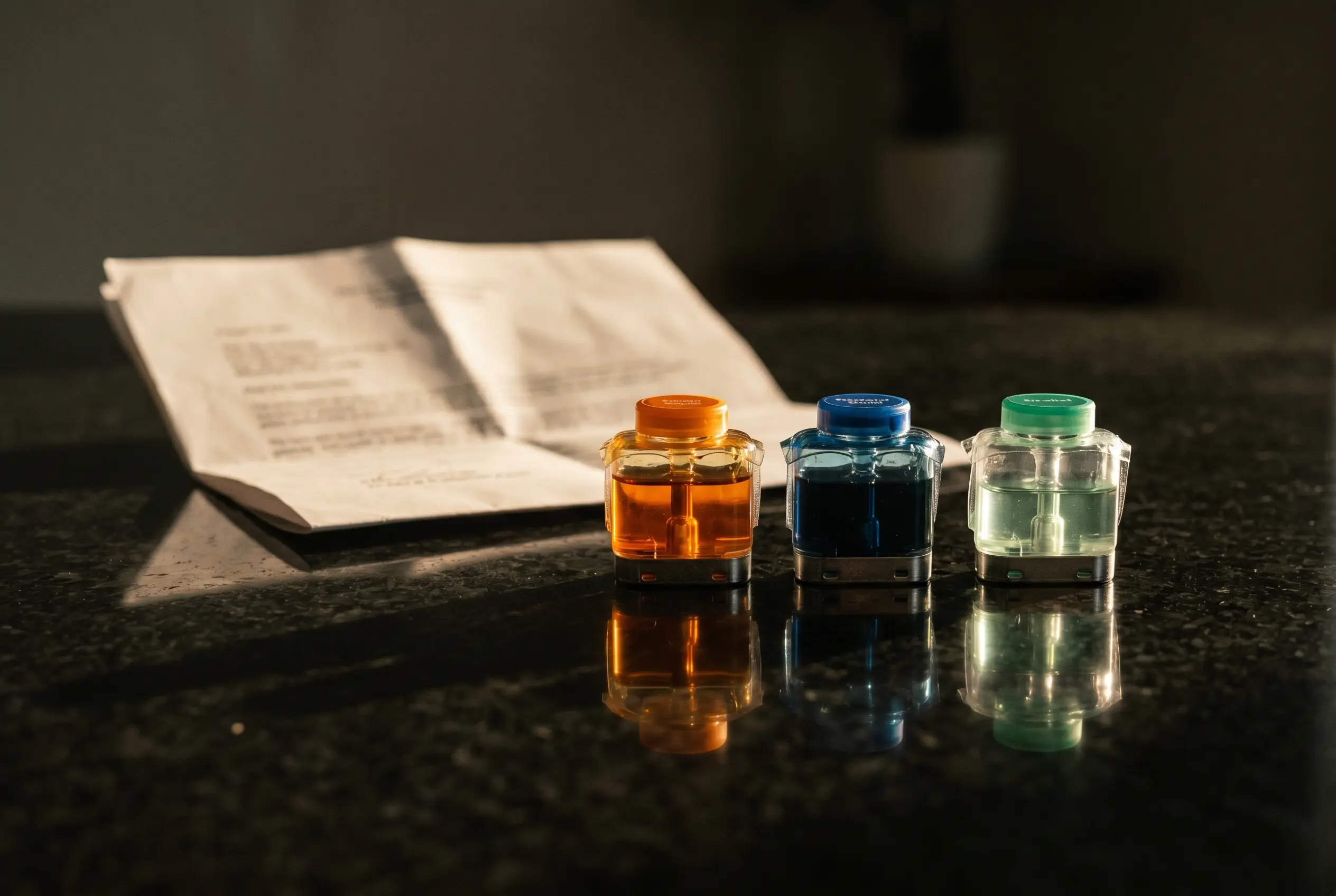
The memo explains the reasoning behind the FDA’s May 5, 2026 decision to authorize four Glas Inc. products: Classic Menthol, Fresh Menthol, Gold, and Sapphire, the last two being mango and blueberry rebranded. Glas, a small Los Angeles-based company, submitted its marketing application in 2021. The agency had rejected more than a million flavor applications under President Joe Biden before approving the first non-tobacco, non-menthol e-cigarette product. Health groups and ten Democratic senators have called the decision “shortsighted and reckless” and asked the agency to rescind it.
The First Fruit-Flavored Vape Approved in the U.S.
The four Glas products are part of the FDA’s growing list of legally marketed e-cigarettes, which now stands at 45. The action marked the agency’s non-tobacco and non-menthol authorization, the first of its kind under the PMTA pathway, according to the FDA’s May 5, 2026 authorization announcement for Glas. Each authorized pod contains 50mg/ml, or 5%, of tobacco-derived nicotine.
To operate a Glas device, users must verify their age and identity with a government-issued ID and pair the device with a smartphone via Bluetooth, per the FDA’s May 5, 2026 authorization announcement for Glas. Once verified, the device will not operate if separated from the phone, and the app conducts random biometric check-ins to confirm the registered user is the one vaping. The FDA’s marketing order also requires the company to ensure its advertising is targeted to adults 21 and older, and to report on the demographics reached by its ads.
What the Six-Page Memo Reveals
The brief FDA memo, released this week, provides more detail on the agency’s reasoning for the May 5 authorization. It acknowledges shortcomings in the data submitted by Glas and concedes that the fruit-flavored products did not show “statistically significant” differences in helping adult smokers quit compared with tobacco-flavored e-cigarettes. The same memo notes that the FDA had previously told companies that fruit and dessert flavors would have to meet “a high evidentiary burden” for adult use, given their risks to children. By approving the Glas pods, the agency relied on age-verification technology rather than a clinical quitting edge for adults.
Menthol-flavored vapes from Juul and NJOY had previously cleared that bar by showing menthol users were significantly more likely to cut down or quit cigarettes than tobacco-flavor users. Glas’s fruit-flavored products did not.
The document also broke from the FDA’s usual practice in another way. Previous FDA memos on new vaping products typically appear on the agency’s website immediately after an authorization. The memo on Glas appeared more than a month after regulators approved the products. A spokesperson for Glas could not immediately be reached for comment on Thursday. The FDA has not publicly responded to the senators’ letter.
Federal rules require e-cigarette makers to show that their products benefit public health, in practice that they help adult smokers switch or quit cigarettes while not attracting underage use. Glas’s study found smokers using the company’s vapes were “much more likely” to completely switch from cigarettes. The improvement over tobacco-flavored vapes did not reach statistical significance.
The Bar Glas Did Not Clear
Menthol vapes from Juul and NJOY cleared the FDA’s public health standard in part by showing menthol users were statistically more likely to cut down or quit cigarettes than tobacco-flavor users. The Glas memo, by contrast, says the company’s fruit-flavored pods “did not have to demonstrate added adult benefit” because young people were unlikely to use them. The agency based that judgment on Glas’s age-verification technology, which requires government-issued ID, Bluetooth pairing with a smartphone, and random biometric check-ins. Tobacco-flavored products are not popular with teens and generally face lower regulatory hurdles at the FDA. The decision effectively opens a second path to authorization for flavored products, with age-gating substituting for clinical quitting data.
The table below sets Glas’s submission against what previous menthol applicants produced.
| Product | Statistically significant adult quitting benefit vs. tobacco flavor? | Evidence base / memo |
|---|---|---|
| Glas Gold (mango) and Sapphire (blueberry) | No | 6-page memo; 3-month study; smokers studied not disclosed |
| Juul menthol e-cigarettes | Yes | 90+ page memo; research involving 50,000 people |
The contrast on the key statistical measure is the heart of the senators’ objection. It also explains why a short document on Glas replaced a far longer one for Juul.
The Campaign for Tobacco-Free Kids, an anti-tobacco advocacy group, called the decision “a big step backward for preventing youth e-cigarette use” the day it was announced. The group’s president and CEO, Yolonda C. Richardson, said authorizing fruit flavors, even rebranded as “Gold” and “Sapphire,” “puts at risk the progress our nation has made in reducing youth e-cigarette use,” according to the group’s Tobacco-Free Kids statement on the Glas authorization. Richardson noted that mango was “one of the most popular Juul flavors that contributed to a past surge in youth e-cigarette use before it was pulled off the market.” The FDA’s authorization, Richardson said, was “deeply disappointing” and reflected political pressure rather than science.
A Commissioner Who Resisted, Then Resigned
FDA Commissioner Marty Makary initially blocked the fruit-flavored authorizations in February, according to internal memos later released by the agency. He overrode agency scientists who had approved several Glas flavors earlier that month. The mango- and blueberry-flavored products were ultimately approved during Makary’s final full week leading the agency.
Makary resigned from the FDA on May 12, 2026, ending a 13-month tenure that had drawn criticism from the vaping industry, the White House, and members of Congress. Kyle Diamantas, the agency’s top food official, took over as acting commissioner. According to the senators’ letter, the New York Times reported that Makary “ultimately resigned over concerns about the administration’s decision to authorize fruit-flavored e-cigarettes, an action he opposed.” The same letter cited a Wall Street Journal report that Trump had signed off on a plan to fire Makary earlier in May, after the president scolded the FDA chief for not approving fruit-flavored vapes. In a text shared on Truth Social by Trump, Makary wrote that he was “extremely proud” of his tenure.
The Age-Gating Argument and Its Critics
The FDA’s defense of the Glas authorization rests heavily on the device’s age-verification technology. Acting Center for Tobacco Products director Bret Koplow called the technology “a potential game changer” in the agency’s May 5 press release, saying it “is also an indication of the role innovation may serve in the effort to protect young people from threats posed by nicotine use and addiction.” The technology requires a government-issued ID, Bluetooth pairing with a smartphone, and random biometric check-ins. The FDA said most adults 21 and older successfully completed age verification and found the device easy to use, while youth and young adults could not.
Senators on the other side of the dispute point to the agency’s own March draft guidance on the same technology. That document cited “the current lack of real-world experience regarding use of DAR to prevent or sufficiently mitigate the risk of youth use.” The senators’ letter calls relying on that unproven technology “foolish and extremely dangerous.”
Truth Initiative’s Kathy Crosby called the Glas authorization “a key test case” in a statement to CNBC, adding that “it’s critical that we remain vigilant in protecting young people, including closely monitoring the use of authorized products.” Cigarette smoking is blamed for 480,000 U.S. deaths annually due to cancer, lung disease, and heart disease, per CNBC, and the FDA said more than 25 million Americans still smoke combustibles. The agency may suspend or withdraw authorization if youth use of the products rises notably, the order stated.
The Youth Numbers Health Groups Are Citing
There is no scientific consensus that flavors provide a benefit to adults who want to quit using tobacco products, but there is clear data that proves flavored products draw in young people and that the tobacco industry intentionally markets flavored products to young people.
That blockquote is from a May 18, 2026 letter led by Senators Richard Blumenthal and Jeff Merkley, signed by eight other Democrats, sent to Acting FDA Commissioner Kyle Diamantas, and is available in full via the Blumenthal-Merkley letter demanding the FDA reverse its decision. Health groups are pressing the case that the FDA’s authorization will hit teenagers the hardest. The Campaign for Tobacco-Free Kids said authorizing fruit flavors “is risking a resurgence of youth e-cigarette use,” and cites survey data showing nearly 90% of youth who use e-cigarettes report using flavored products, with fruit by far the most popular at 63%. According to the 2025 Youth Tobacco Survey, 1.4 million middle and high school students still use e-cigarettes.
The senators’ letter accuses the FDA of “abandoning its scientific integrity to help the President score political points” and points to Trump’s 2024 campaign promise to “save vaping” as evidence of political pressure. The letter calls the authorization a “shortsighted and reckless decision” and asks the agency to rescind it, and tobacco control debates elsewhere are running into similar industry tactics, two decades into Scotland’s smoke-free law. Enforcement on the supply side is also intensifying, as the UK Border Force’s seizures of millions of illegal vapes show.
Frequently Asked Questions
Why did the FDA approve fruit-flavored e-cigarettes?
The FDA authorized four Glas products on May 5, 2026, including mango (Gold) and blueberry (Sapphire) pods, the first non-tobacco and non-menthol e-cigarettes ever approved under the PMTA pathway. The agency cited the company’s age-verification technology, which requires government-issued ID and Bluetooth pairing with a smartphone, as a way to mitigate youth use.
What did the six-page memo reveal about Glas’s products?
The memo acknowledged shortcomings in the data submitted by Glas and noted that the fruit-flavored products failed to show a statistically significant improvement over tobacco flavors in helping adult smokers quit. That is a lower bar than menthol e-cigarettes from Juul and NJOY had previously cleared.
What is the age-verification technology Glas uses?
Each Glas device requires the user to verify their age and identity with a government-issued ID, pair the device with a smartphone via Bluetooth, and submit to random biometric check-ins. The device will not operate if separated from the verified phone.
Why are senators asking the FDA to rescind the authorization?
Ten Democratic senators, led by Richard Blumenthal and Jeff Merkley, wrote to Acting FDA Commissioner Kyle Diamantas on May 18, 2026, calling the decision reckless and warning that fruit flavors appeal to children. The letter also points to a March 2026 FDA draft guidance that said the same age-gating technology lacked real-world experience in preventing youth use.
How many e-cigarettes has the FDA now authorized?
The FDA has authorized 45 ENDS products for marketing in the U.S., per the agency’s May 5, 2026 press release. Glas’s four products are part of that list, the only e-cigarettes that may currently be lawfully sold in the country.
Disclaimer: This article is for informational purposes only and is not medical advice. The figures and rulings discussed are accurate as of the date of publication. For personal health decisions related to tobacco or nicotine use, consult a qualified healthcare professional.






Spotify Running Mode hits Android and revives its old tempo experiment

Galaxy Tab S12 Ultra Renders Keep the Notch Fans Hate

Novato Spinning Round House Sells With Six Neighbors for $3.3 Million

Crop Tour Finds Indiana and Nebraska Corn Yields Lagging 2025

Best Buy 60th sale brings Android deals back to its roots

American Airlines reverses seatback screen bet years too late

Iran Hormuz Strikes Force Gulf Oil Onto Costlier Paths

Plague Tale Prequel Day One Joins Game Pass Wave 2 as Witcher Exits

NBA 2K27 opens The City to everyone and rewrites career eras

iOS 26.6.1 Patches 29 Flaws as AI Forces Faster Apple Updates

Caitlin Clark Skips the WNBA 3-Point Contest for a Third Straight Year

Rainout Gives Red Sox Two Shots at a Franchise-Record Win Streak

Double Fine Cuts 23 Jobs Weeks After Xbox Independence

Day-One Big Walk Lifts PS Plus August Beyond Recycled AAA

John Hight Exits Wizards After Digital Reckoning Hits

Curtis Mead’s Red Sox Debut Ends With Fractured Wrist

Moesch and Dressel Rewrite Night One at 2026 U.S. Nationals

Red Sox Squander Hot Streak Chance in 4-3 Loss to Athletics

Boutte’s Quiet Camp Takeover Forces Patriots Receiver Choices

Take-Two CEO Pushes Netflix Subs for GTA 6 Extended Look
-

 TECHNOLOGY3 years ago
How to Adjust a Bulova Watch Band – An Easy Guide
-

 News3 years ago
Fred Pentland: Athletic Bilbao’s English mentor who changed the essence of Spanish football
-

 FINANCE3 years ago
Tax Planning for Every Season: Guide to Maximizing Your Tax Benefits
-

 Education3 years ago
African Ministers New Education Plan
-

 BUSINESS3 years ago
What is Entrepreneurial Operating System? A Comprehensive Guide to EOS
-

 Education3 years ago
Innovate Your Learning Journey with Technology and Enhance Education
-

 News3 years ago
Russians formally out of World Athletics Championships
-

 BUSINESS3 years ago
Top 9 Most Expensive American Cities to Rent an Apartment