
BUSINESS
CVS Pays $315 Million After a Second Opioid Reckoning
CVS will pay $315 million and accept DEA monitoring through 2032, a federal overlay on alleged opioid fills that continued after its $4.90 billion state deal.

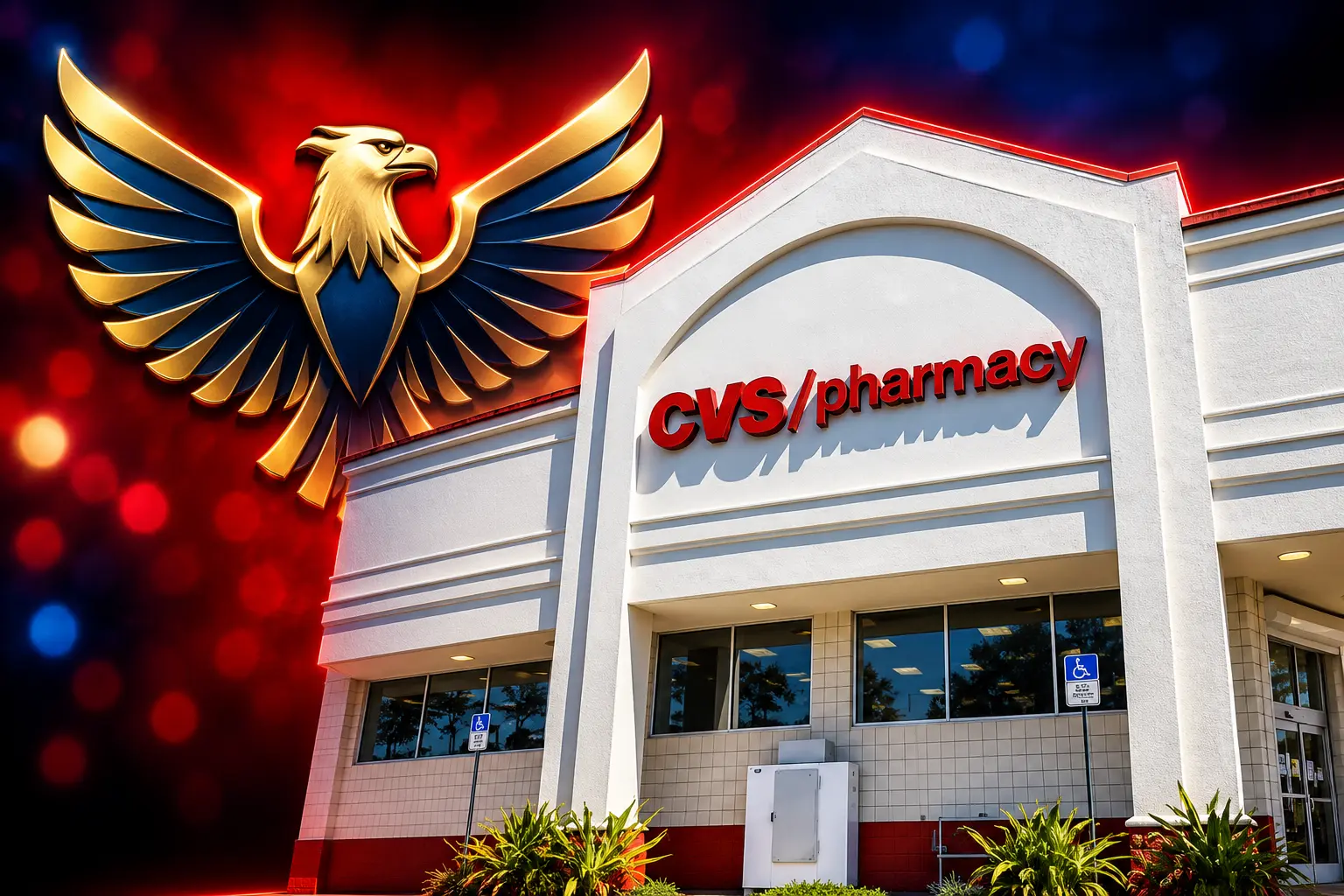
CVS Pharmacy agreed on October 13, 2026, to pay $315 million to resolve allegations that it filled unlawful opioid prescriptions. The Justice Department said the chain billed Medicare and other federal programs for many of those fills, then denied liability and admitted no wrongdoing.
The covered window runs from October 17, 2013, through December 2, 2025, more than 12 years and well after CVS’s 2022 state opioid deal. A DEA memorandum of agreement now sits on the same stores until August 15, 2032.
CVS Agrees to Pay $315M for Illegally Filling Unlawful Opioid Prescriptions and for Submitting False Claims to the Federal Government
“Not only does this settlement hold bad actors accountable for their fraudulent activities, but Americans are safer because of it,” said… pic.twitter.com/ZNB862lDBE
— U.S. Department of Justice (@TheJusticeDept) October 13, 2026
The Federal Case Reached From 2013 Through Late 2025
The United States filed its complaint on December 13, 2024, in the U.S. District Court for the District of Rhode Island, taking over a whistleblower suit captioned United States ex rel. Hillary Estright v. CVS Health Corporation, No. 22-cv-00222. Prosecutors said CVS knowingly filled controlled-substance prescriptions that lacked a legitimate medical purpose, were not valid, or were issued outside the usual course of professional practice, then sought federal reimbursement under the False Claims Act.
The civil Controlled Substances Act paper requires a $126 million transfer to the United States within 10 days of the effective date. A companion False Claims Act settlement brings the announced total to $315 million. The claims resolved are allegations only, the department said, and there has been no finding of liability.
THE MONEY AND THE WINDOW
- Total payment: $315 million to the United States to close the civil case.
- CSA tranche: $126 million due within 10 days of the effective date.
- Covered fills: October 17, 2013, through December 2, 2025.
- Store base: about 9,000 retail pharmacies as of December 31, 2025.
That store count comes from CVS Health’s own year-end report, which also posted a record $402.1 billion in 2025 revenue. The pharmacy and consumer wellness segment booked $139.4 billion and filled 1,808.8 million 30-day equivalent prescriptions. Against those figures, the federal check is a thin slice of annual sales and a second bill on top of the 2022 state payout.
Pharmacists Were Caught Between Metrics and Red Flags
The complaint said the alleged violations grew out of corporate performance metrics, incentive pay, and staffing rules that put profit ahead of patient safety. CVS, the government claimed, did not employ enough pharmacists to serve patients, meet those metrics, and still comply with federal dispensing law. Its policies also allegedly stopped pharmacists from warning one another about certain problem prescribers.
Prosecutors said pharmacists filled scripts anyway when the warning signs were in plain view. Those signs, as the department listed them, were not subtle.
WHAT THE COMPLAINT CALLED RED FLAGS
- Excessive opioid quantities: fills the government said were dangerous in size and not tied to a legitimate medical purpose.
- Early refills: opioid prescriptions dispensed before the prior supply should have run out.
- Trinity combinations: an opioid, a benzodiazepine, and a muscle relaxant dispensed together, a mix the department called dangerous and commonly abused.
- Pill-mill prescribers: doctors who, the complaint said, wrote large volumes of controlled-substance prescriptions with no medical purpose, including after CVS’s own pharmacists had raised alarms.
In the 2024 filing, the department also alleged that some patients died after overdosing on opioids shortly after filling what it called unlawful prescriptions at CVS. CVS rejected that account. Spokesperson Amy Thibault said the company strongly disagreed with the claims and that the settlement admits no wrongdoing, and she pointed to more than 27,000 CVS pharmacists trained in the safe use of medications.
Not only does this settlement hold bad actors accountable for their fraudulent activities, but Americans are safer because of it. Today’s settlement is a significant milestone in the Justice Department’s efforts to combat the opioid epidemic by cracking down on pharmacies who unlawfully fulfill prescriptions for controlled substances.
Stanley E. Woodward Jr., Associate Attorney General, Justice Department announcement
The louder operational problem is the bind at the counter. Extra monitoring can make a legitimate pain fill slower and easier to refuse, while the complaint said understaffing already left pharmacists without time to work a red flag. Chronic pain patients answering the department’s own announcement described surgery-level pain being pushed onto Tylenol. The settlement does not say CVS must scrap the metrics the government blamed, and it does not pull a single pharmacist’s license.
The $4.90 Billion Deal Left a Federal File Open
In late 2022, CVS joined Walgreens and Walmart in nationwide settlements with states and cities over opioid dispensing. The national settlement terms require CVS to pay up to $4.90 billion over 10 years, Walgreens up to $5.52 billion over 15 years, and Walmart up to $2.74 billion with all payments due within six years. At least 85 percent of the money going to participating states and subdivisions must be used for opioid abatement.
Those deals also ordered changes in how the chains handle opioids, including compliance structure, pharmacist judgment, diversion prevention, suspicious-order monitoring, red-flag processes, and lists of blocked or problem prescribers. The new DEA memorandum tells CVS to establish or maintain a Controlled Substance Dispensing Oversight Program already required by the injunctive terms attached to that 2022 CVS global settlement. The federal overlay is not a blank-slate compliance rewrite. It is a second enforcer on rules the chain had already signed.
The alleged filling window is the part that does not close cleanly. December 2, 2025, is almost three years after the state papers were dated, and it is almost a year after the United States filed its Rhode Island complaint. Whatever the 2022 injunctive terms did on paper, the government still claimed unlawful fills through late 2025.
PHARMACY OPIOID PAYOUTS, STATE AND FEDERAL
| Company | Year | Amount | Paid to | Added terms |
|---|---|---|---|---|
| CVS | 2026 | $315 million | United States | DEA agreement through August 15, 2032 |
| Walmart | 2026 | $50 million | United States | Similar DEA hotline and monitoring pact |
| CVS | 2022 | Up to $4.90 billion | States and cities | Injunctive dispensing rules, 10 years |
| Walgreens | 2022 | Up to $5.52 billion | States and cities | Injunctive dispensing rules, 15 years |
| Walmart | 2022 | Up to $2.74 billion | States and cities | Payments due within 6 years |
CVS had already paid federal CSA penalties on a smaller scale, including $22 million in 2015 over two Sanford, Florida, stores whose DEA licenses were revoked, $8 million in 2016 over Maryland dispensing, and $77.6 million in 2010 over illegal pseudoephedrine sales. Those earlier matters did not stop the nationwide case that landed this week.
How Long Does the DEA Agreement Last?
The memorandum of agreement runs from its implementation date until August 15, 2032, according to the settlement papers. It requires a hotline, store-level monitoring, and a process to evaluate suspected illegal prescribers, and it tells CVS to keep the Controlled Substance Dispensing Oversight Program already required by the 2022 state deal.
Assistant Attorney General Brett A. Shumate, who leads the Civil Division, said the deal requires added safeguards so opioids and other controlled substances are dispensed only when medically appropriate, including proactive monitoring of opioid prescribing patterns. DEA Assistant Administrator Cheri Oz said the agreement holds CVS to account for dispensing unlawful prescriptions while setting standards for responsible fills going forward.
THE THREE DEA DUTIES
- The hotline: a channel for employees and the public to report suspected illegal dispensing of controlled substances.
- Store monitoring: proactive review of pharmacy dispensing patterns to find and address potentially illegal fills.
- Prescriber review: a process to evaluate clinicians suspected of illegal prescribing.
Acting Deputy Inspector General Scott J. Lampert of HHS-OIG said the allegations pointed to warning signs that should never be overlooked, because an unlawful prescription can put a patient in harm’s way. The papers still reserve criminal liability, tax claims, and any DEA move against an individual pharmacist’s registration at a non-CVS pharmacy. The operational leash is long. The personal penalty for the person at the register is mostly left for another day.
Walmart Walked the Same Path for $50 Million
On August 28, 2026, Walmart agreed to pay $50 million to resolve Justice Department claims that its pharmacies illegally filled invalid opioid and other controlled-substance prescriptions. That case, filed in Delaware in 2020 and amended in 2022, alleged conduct since June 26, 2013. Walmart did not admit liability.
The Walmart DEA add-on is the same three-part kit: a hotline, pattern monitoring, and a process to evaluate suspected illegal prescribers. Woodward’s office used the same enforcement frame six weeks before the CVS announcement. The dollar gap is wide, $315 million against $50 million, and CVS’s file also includes False Claims Act counts for federal program billing, which the Walmart civil CSA resolution did not carry in the same form.
For pharmacists, the template is what will show up on the next shift, not the headline number. A refusal that looks cautious to DEA can look like abandonment to a patient with documented pain, and a fill that looks compassionate to that patient can look like a red flag in a monitoring report. The two 2026 deals lock that tension into written duties through the next decade.
Who Is Hillary Estright in the CVS Case?
Hillary Estright, a former CVS employee, filed a False Claims Act whistleblower suit on October 17, 2019. The United States intervened and filed its complaint on December 13, 2024, in Providence. Her share of the $315 million has not been set.
The covered period begins on October 17, 2013, six years before she filed, which matches the ordinary False Claims Act lookback. She first sued in the Middle District of Tennessee; the case later moved to Rhode Island, where CVS Pharmacy Inc. is based. The department’s Civil Division Fraud Section litigated the matter with U.S. Attorney’s Offices in Rhode Island, the Eastern District of Virginia, the Eastern District of Texas, and the District of Hawaii, with DEA diversion investigators and HHS-OIG in support.
THE CASE CALENDAR
- October 17, 2019: Estright files the qui tam action that becomes the federal case.
- December 9, 2022: CVS’s global state and local opioid settlement is dated, with injunctive dispensing terms.
- December 13, 2024: The United States files its complaint in intervention in Providence.
- December 2, 2025: The covered dispensing period in the settlement ends.
- October 13, 2026: CVS agrees to pay $315 million and signs the DEA memorandum.
Thibault said CVS was pleased to put the litigation behind it. The litigation is the part that closes. The monitoring runs almost six more years, on top of a state injunctive regime that was already in force when the alleged window still had a year left to run.
Frequently Asked Questions
What Is a Trinity Prescription?
A trinity prescription combines an opioid painkiller, a benzodiazepine such as a sedative, and a muscle relaxant in one course of treatment. DEA and pharmacy boards treat that stack as a classic diversion marker because the three classes together raise overdose risk even when each script is written on a valid pad, which is why the complaint listed trinity fills beside early refills and outsize opioid quantities rather than as a separate crime.
Who Receives the $315 Million?
The money is paid to the United States, not into a consumer class fund and not automatically into the 2022 state abatement trusts. Estright is entitled to a relator share under the False Claims Act, but the department said that amount has not been determined, and the CSA paper also states that each side bears its own legal fees.
Does the Settlement Bar Criminal Charges?
No. The CSA agreement reserves criminal liability, Internal Revenue Code claims, and any case based on conduct other than the covered fills, and CVS waived double-jeopardy and excessive-fines defenses against a later prosecution tied to that same conduct. It is a civil peace, with the criminal door left open on the face of the papers.
What Happens to Individual Pharmacist Licenses?
The corporate release covers CVS and its officers, directors, employees, and agents for civil and administrative CSA claims on the covered fills, but it expressly reserves DEA’s right to act against an individual pharmacist’s registration for prescriptions filled at non-CVS pharmacies. The public summary also does not order CVS to abandon the performance metrics the complaint blamed, so the staffing fight the government described is not settled by the dollar figure.
Disclaimer: This article is news reporting on a completed civil settlement and related public statements. It is informational only and is not legal, medical, or pharmacy-practice advice, and it does not tell any patient, pharmacist, or company how to fill, refuse, or prescribe a controlled substance. Readers with a legal question about the settlement, a DEA registration, or a False Claims Act claim should consult a licensed attorney, and readers with a question about an opioid prescription should consult their own clinician or pharmacist. The figures, dates, and case statuses here reflect the Justice Department papers, the settlement agreement, and company statements as published on October 13, 2026, and those items can change if a court, the parties, or a regulator later amends them.

Final Fantasy Resonance Turns a Dead Gacha Into HD-2D

PHP2Shell Forced Sites Offline While Exploits Stalled

Kindle+ Folds AI Audiobooks Into the Page-Read Fund

Chip Stocks Fall as the Bond Rally Cheapens AI Spend

Comcast’s Record Odyssey Quarter Doubles as the Exit

Microsoft 365 Auth Fault Took Down Exchange and Teams

Xbox Caps Game Pass Cloud Gaming at 15 Hours

OpenClaw 2.0 Ships a Team Workplace With Host-Trust Defaults

OpenAI Unveils GPT-6 Astra With a Critical Cyber Label

Diesel Breaks Its Record as the White House Claims Credit
-
 NEWS2 months ago
Microsoft 365 Auth Fault Took Down Exchange and Teams
-
 GAMING2 months ago
Xbox Caps Game Pass Cloud Gaming at 15 Hours
-
 NEWS2 months ago
OpenAI Unveils GPT-6 Astra With a Critical Cyber Label
-
 NEWS2 months ago
OpenClaw 2.0 Ships a Team Workplace With Host-Trust Defaults
-
 BUSINESS2 months ago
Diesel Breaks Its Record as the White House Claims Credit
-

 LIFESTYLE2 months ago
Squishy Dumpling Toys Recalled After Hiding Illegal Water Beads
-

 BUSINESS2 months ago
ChargePoint Stock Rally Prices Wilmer’s Three-Year Cash Plan
-

 AUTO2 months ago
Tesla Puts Its Wheel-Free Cybercab on Austin Streets